Home Blog

Vape Hardware Guide: Mods, Pods, And Disposables Explained
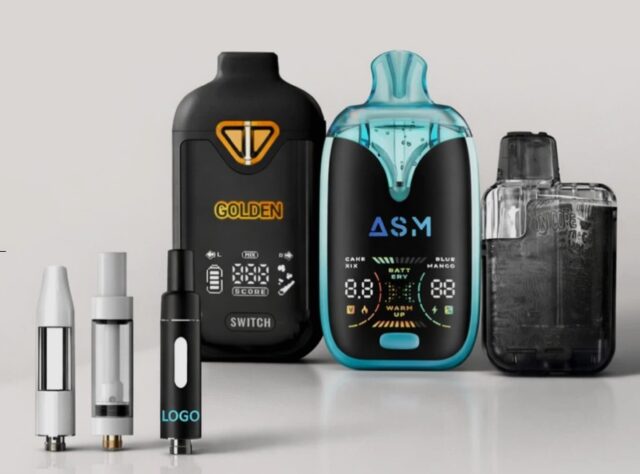
Vape Hardware

Choosing the right vaping device can feel confusing, especially with so many designs, terms, and feature sets on the market. Devices differ not only in appearance but also in power delivery, maintenance, and overall experience.

A clear understanding of how each category works helps users avoid mismatched expectations and unnecessary spending.

This guide focuses on the core types of devices used today and explains how they function, who they suit, and what practical differences matter in everyday use. The goal is clarity, not hype, so readers can make informed decisions based on real usage needs.

The Role of Vape Hardware

Role of Vape Hardware

When people talk about performance, flavor, or vapor output, they are usually reacting to the underlying hardware rather than the liquid itself. The term vape hardware covers the physical components that power, heat, and deliver vapor. It includes the battery, chipset, coil system, airflow design, and housing. Each of these elements influences how a device behaves during use.

A good place to see how these elements come together is within modern collections of vape hardware, where device categories are clearly separated by function and capability. Hardware choices determine draw tightness, warmth, consistency, and how forgiving the device is for beginners.

From a practical standpoint, hardware selection affects daily habits such as charging frequency, coil replacement intervals, and portability. Understanding hardware first prevents frustration later, especially for users transitioning away from cigarettes or disposable-only use.

Vape Mods Explained

Vape mods are designed for users who want control over power, airflow, and coil selection. They typically feature larger batteries and adjustable settings that allow precise tuning. Mods can be regulated with built-in chipsets or mechanical for advanced users, although regulated models dominate the market due to safety features.

Before listing benefits, it helps to understand why mods appeal to experienced users. They provide customization that other formats cannot match:

  • Adjustable wattage or voltage for tailored output
  • Compatibility with multiple tank and coil systems
  • Larger batteries for extended use between charges
  • Enhanced airflow control for direct lung styles

Mods require more maintenance than simpler devices. Coils need regular replacement, tanks require cleaning, and settings must be adjusted correctly. For users willing to learn, mods offer the most adaptable experience available.

Pod Systems and Their Practical Appeal

Pod systems bridge the gap between simplicity and performance. They use compact cartridges instead of large tanks and usually operate at lower power levels. Many pods rely on draw activation, making them feel intuitive for beginners.

Pods are popular because they reduce complexity without sacrificing consistency. Users benefit from predictable output and minimal setup:

  • Lightweight designs suitable for daily carry
  • Replaceable or refillable pods with integrated coils
  • Lower power usage for extended battery life
  • Smooth nicotine delivery using salt formulations

While pods lack the deep customization of mods, they excel in convenience. Coil replacement often means swapping the entire pod, which simplifies maintenance. For users prioritizing ease and portability, pod systems remain one of the most balanced options.

Disposable Vapes and Convenience-First Design

Disposable devices are built for immediacy. They arrive pre-filled, pre-charged, and ready to use. There is no setup, no maintenance, and no learning curve. Once the battery or liquid runs out, the device is discarded.

The appeal lies in accessibility rather than long-term efficiency. Disposables remove all technical barriers, which explains their popularity among first-time users:

  • No charging or refilling required
  • Compact and discreet form factors
  • Consistent output until depletion
  • Fixed airflow and power settings

However, disposables offer limited value over time. Cost per puff is higher, and flavor options depend on manufacturer availability. Environmental impact is also a growing concern. Disposables work best as entry points or backups rather than primary devices.

Comparing Mods, Pods, and Disposables

Each device type serves a different purpose, and visual comparison often clarifies the differences faster than text alone.

Device Type Control Level Maintenance Portability Ideal User
Mods High Moderate to High Low to Medium Experienced
Pods Medium Low High Intermediate
Disposables None None Very High Beginners

This table highlights functional priorities rather than marketing claims. Control increases with complexity, while portability often decreases. Users should evaluate daily habits, not trends, when choosing. A device that fits routine use will always outperform a more advanced option that feels inconvenient.

Battery Capacity and Power Management

Battery design influences reliability more than many users realize. Larger batteries support higher wattage and longer sessions, while smaller batteries favor portability. Charging methods also matter, especially for users who vape throughout the day.

Before listing details, it helps to frame why battery behavior affects satisfaction. Inconsistent power leads to weak vapor or burnt coils:

  • Internal batteries offer simplicity and compact size
  • External batteries allow replacement and extended use
  • USB-C charging improves efficiency and longevity
  • Power regulation ensures consistent output

Poor battery management shortens device lifespan. Overcharging or using incompatible chargers can degrade performance. Understanding battery limitations helps users choose devices aligned with their usage intensity rather than aesthetic preferences.
Coil Systems and Flavor Delivery

The coil is where liquid becomes vapor, making it the most critical component for flavor and vapor quality. Coil materials, resistance levels, and wicking design all influence how a device performs.

A short factual note helps clarify why coils differ across devices.

Coil resistance affects heat generation. Lower resistance produces warmer vapor and higher output, while higher resistance delivers cooler, smoother draws at lower power.

Modern coils often use mesh designs for even heating. Pods favor integrated coils for simplicity, while mods support replaceable options. Matching coil type to liquid formulation prevents dry hits and extends coil life. Flavor quality depends on compatibility, not price.

Conclusion

Selecting the right vaping device depends on understanding how hardware design aligns with personal habits. Mods offer customization, pods balance simplicity and performance, and disposables prioritize ease of use.

Each format has strengths and limitations that become clear once hardware fundamentals are understood. Focusing on daily use patterns, maintenance tolerance, and desired control leads to better long-term satisfaction.

A well-matched device supports consistency, comfort, and reliability rather than constant replacement or frustration.


Chasing Summer In February, Best Places For A Beach Break

Source: lonelyplanet.com

Have you ever noticed how February feels endless when winter refuses to loosen its grip?

Travel researchers often point out that sunshine and sea air can lift mood and energy levels during the coldest months.

That idea alone explains why so many people start chasing summer in February.

A beach break during this time offers more than warmth. It gives mental reset, lighter days, and the simple joy of walking barefoot again.

The trick lies in choosing destinations where dry weather, warm water, and relaxed rhythm come together naturally.

Some places shine exactly when much of the world feels frozen.

Why February works so well for beach travel

Source: kiwi.com

February sits quietly between peak holiday crowds and early spring rush. That timing creates a sweet spot for travelers who want sun without chaos.

Prices often soften, beaches feel calmer, and the weather behaves more predictably in many tropical regions.

Another advantage comes from travel distance. Long haul flights feel easier to justify during winter escapes.

A week of warmth in February often feels longer than it is. Energy levels rise fast once daylight stretches and routines slow down.

Many beach destinations also plan festivals and seasonal markets during this period.

That adds cultural depth to days that might otherwise revolve around swimming and sunbathing.

Southeast Asia where summer never really leaves

Source: travelzoo.com

Southeast Asia remains one of the strongest answers to chasing summer in February.

Dry season covers much of the region. Temperatures stay warm but manageable. Beaches combine natural beauty with affordability and rich food culture.

Thailand, Vietnam, and parts of Indonesia deliver steady sunshine and calm seas during this month. Travelers enjoy balance here.

Beach days blend easily with short cultural trips inland.

Did you know
February marks one of the lowest rainfall periods across mainland Southeast Asia. That makes beach conditions more reliable than many summer months elsewhere.

Popular highlights include

  • Phuket and Krabi for clear water and island hopping
  • Phu Quoc for relaxed beaches and emerging resorts
  • Bali for surf breaks and wellness focused stays

Coastal regions tell a different story. Goa remains the obvious choice, yet eastern India also deserves attention during winter sun escapes.

Kolkata offers a fascinating base for travelers who want both culture and nearby coastal retreats.

Beaches along the Bay of Bengal sit a few hours away and feel far removed from crowds.

The city itself stays pleasant in February, making it ideal for slow exploration. Some travelers researching nightlife and companionship options during longer stays often come across resources like Kolkata call girls, which reflects how diverse travel needs can be in a major destination like Kolkata.

That variety mirrors the city itself, layered, complex, and never one dimensional.

Caribbean islands with calm seas and easy pace

Source: traveloffpath.com

February lands right in the heart of Caribbean high season. Weather stays warm and dry. Water visibility peaks. That combination makes island hopping especially appealing.

Different islands suit different travel styles.

Some focus on quiet beaches and nature. Others thrive on music, dining, and nightlife.

February avoids hurricane risks entirely, which adds confidence to planning.

A simple comparison helps narrow choices

Island type Best for February vibe
Aruba Steady winds and sun Breezy and bright
Jamaica Culture and food Lively yet relaxed
Turks and Caicos Clear water Calm and refined

Families often favor calmer islands, while couples lean toward places with evening energy and walkable towns.

Mexico Pacific coast and hidden gems

Source: gran.luchito.com

Mexico offers excellent value for February beach breaks. Pacific coast destinations enjoy dry days and warm ocean temperatures. Tourist infrastructure works smoothly without feeling overwhelming.

Places like Sayulita, Zihuatanejo, and Mazatlan combine surf culture with traditional town life.

February also brings whale watching along parts of the coast, which adds a memorable layer to beach time.

Many travelers appreciate how easy it feels to move between beach and city experiences here. Local food markets, historic centers, and sunset walks blend into one relaxed routine.

Subnote worth remembering
February temperatures along Mexico Pacific coast average in the mid twenties Celsius. Evenings remain comfortable without heavy humidity.

Australia and the Southern Hemisphere advantage

Source: vietjetair.com

While the northern world shivers, Australia enjoys full summer in February.

Coastal cities and beach towns thrive during this period. Long days encourage outdoor living and coastal road trips.

Queensland beaches near the Great Barrier Reef stay warm, though travelers should watch local marine conditions.

Southern regions like New South Wales offer iconic beaches close to vibrant cities.

February also aligns with cultural festivals and outdoor events. That keeps travel dynamic rather than purely resort focused.

Travelers planning longer stays benefit from reliable transport, strong safety standards, and varied accommodation options across coastal Australia.

India west coast rhythm and Mumbai as a base

Source: tripsavvy.com

India west coast offers a different beach mood from the east. The Arabian Sea coastline stays calm in February, and humidity remains lower than later months.

Goa leads the spotlight, yet Mumbai plays an important supporting role.

Mumbai works well as a gateway for travelers exploring nearby coastal escapes or enjoying urban energy alongside seaside walks.

Long stays in major cities often come with diverse personal interests, and some visitors researching companionship services encounter resources like Mumbai call girls.

That reflects how Mumbai functions as a global city with layered travel experiences beyond sightseeing.

February weather allows walking tours, beach sunsets, and day trips without exhaustion. That balance makes the region appealing for slow winter escapes.

How to choose your February beach escape wisely

Not all warm destinations feel right for every traveler. February travel works best when priorities stay clear from the start.

Consider these factors before booking

  • Flight time tolerance and jet lag comfort
  • Preferred balance between quiet beaches and city life
  • Water activities versus cultural exploration
  • Budget flexibility during high demand periods

A short planning table can help

Priority Best match
Pure relaxation Caribbean islands
Cultural mix India and Southeast Asia
Adventure and wildlife Mexico Pacific coast
Long daylight days Australia

Clear expectations lead to smoother trips and fewer compromises once on the ground.

Wrapping up the chase for February summer

Source: bookmundi.com

Chasing summer in February feels less like escape and more like smart timing. Warm destinations offer relief when winter fatigue peaks.

Beaches provide space to breathe, reset habits, and reconnect with simple pleasures.

The best places share common traits. Stable weather. Open atmosphere. A pace that allows both rest and curiosity.

Whether that leads you to Asia, the Caribbean, Australia, or India, February rewards solo travelers who plan with intention.

Plan your February escape with the right travel app. Sun, space, and slower days included.

A beach break during this month rarely feels rushed. Sunsets linger longer in memory.

Returning home often comes with renewed energy rather than post vacation stress. Sometimes summer does not need waiting for.

Sometimes it simply needs choosing at the right moment.

Top Reasons to Choose a Bakkie for Outdoor Adventures

Source: commons.wikimedia.org

Many people these days love nothing more than to escape the stress of daily life by engaging in outdoor activities. This includes everything from exciting road trips to fun-filled camping adventures. These types of experiences can provide a thrilling experience as well as plenty of fun for all ages.

Of course, you need to ensure you have the right vehicle when you go on your outdoor adventures, and the natural choice for many is a bakkie. Not only do these vehicles provide robust performance and plenty of space, but you can also get a wide range of bakkie accessories to make the vehicle even more practical.

Ideal for the Great Outdoors

Source: commons.wikimedia.org

There are many reasons why a bakkie is the perfect vehicle for those who love outdoor adventures and exciting trips. Some of these include:

Durable and Robust

One of the reasons a bakkie is a great choice for outdoor adventurers is that it is durable and robust. When you go on road trips and camping excursions, you might have to handle all sorts of terrain. Not all vehicles can cope well with rough terrain, but with a bakkie, you can cope with challenging conditions far more easily.

Plenty of Space

Another reason this is a great type of vehicle for your outdoor adventure is that there is plenty of space. Whether you are travelling alone, with your partner, or with a group or family, you will find lots of space for your gear, luggage, and equipment. The open load storage means you can pack up with ease without taking up space in the main cab of the vehicle.

Versatile Vehicle

Remember, a bakkie is not only a great practical choice for outdoor adventurers, but it is also a versatile one. Not only is this the perfect vehicle for camping, road trips, and other outdoor pursuits, but it can also prove invaluable for work. So, rather than having two separate vehicles for work and leisure, you can have one bakkie that covers all the bases!

Source: carmag.co.za

Reliable Option

When you go off on outdoor adventures, you need a vehicle that is very reliable and won’t leave you stranded. Bakkies are designed to be durable with strong engines and a rugged build. This helps to reduce the risk of breaking down in isolated locations during your trip. These vehicles are also great for handling long distances, which is exactly what you need if you love taking trips.

A Great Balance

One of the reasons people love bakkies for outdoor adventures is that they offer a great balance of toughness, space, adaptability, and visual appeal. They are dependable, flexible, versatile, and practical, which is everything you need in a vehicle when you are heading off on your trip.

The Perfect Choice

These are just some of the reasons a bakkie is the perfect choice if you love your outdoor adventures. You can look forward to greater peace of mind and confidence when you head out in a reliable and robust vehicle!

Anxiety, Focus, and Balance ─ Why CBD Speaks to a Global Wellness Need

Anxiety, Focus, and Balance for CBD

Anxiety is no longer a niche concern. According to the World Health Organization, anxiety-related disorders affect hundreds of millions of people worldwide, making them one of the most common mental health challenges of modern life.

At the same time, focus feels increasingly fragile and emotional balance harder to maintain in a world built on constant alerts, deadlines, and digital noise. This growing gap between how people want to feel and how they actually feel has fueled interest in wellness tools that promise calm without sedation and clarity without stimulation.

CBD has quietly moved into this space. Not as a cure, not as a miracle, but as something many people describe as supportive. Its appeal is global, crossing age groups, cultures, and lifestyles, because the underlying need is shared: feeling steady, present, and mentally clear in a demanding world.

Why anxiety, focus, and balance are now linked challenges

Anxiety rarely shows up alone anymore. For many people, it arrives paired with scattered attention, sleep disruption, and a constant feeling of being slightly off-center. This is not accidental. Chronic stress alters how the nervous system processes information, making it harder to concentrate and easier to feel overwhelmed.

When focus drops, anxiety often rises. Tasks take longer, mistakes increase, and self-doubt creeps in. Over time, this cycle creates mental fatigue rather than productive effort. Balance, in this context, is not about eliminating stress. It is about how well the body and mind recover after stress appears.

Common signals that these challenges are overlapping include:

  • Feeling mentally busy even during rest periods.
  • Difficulty sustaining attention without feeling tense.
  • Emotional reactions that feel stronger than the situation warrants.
  • Sleep that feels light or unrefreshing despite enough hours.

CBD enters this conversation because it is often explored not for stimulation or sedation, but for regulation.

Source: health.com

How CBD fits into modern wellness routines

CBD is not used the same way people use caffeine or sleep aids. Its role in wellness routines is typically quieter and more gradual. Many users approach it as a background support rather than a quick fix.

Early adopters often describe using CBD alongside other stabilizing habits such as hydration, movement, or mindfulness. The interest lies in its interaction with the body’s endocannabinoid system, which plays a role in mood regulation, stress response, and cognitive balance.

In practical terms, people often explore CBD for reasons such as:

  • Supporting calm during high-pressure workdays.
  • Reducing mental noise without dulling alertness.
  • Encouraging smoother transitions between activity and rest.

If CBD oils are the format you’re leaning toward, it helps to pick based on how you actually live, not on hype. Someone who wants a steady, everyday baseline often does better with a simple routine and consistent dosing, while a person who only wants support during occasional high-stress windows might prefer something easier to adjust.

When you’re comparing strengths and formulas, it’s worth using a curated collection you can scan quickly instead of bouncing between random product pages, so you can click here to discover the best CBD oils and compare options in one place without overthinking it.

Anxiety support without emotional flattening

One of the reasons CBD resonates with people experiencing anxiety is the desire for relief without losing emotional range. Many traditional approaches can feel heavy-handed, either muting emotions or creating dependence.

CBD’s appeal lies in reports of subtlety. Users often describe feeling less reactive rather than numb. This distinction matters. Emotional balance is not the absence of feeling, but the ability to respond proportionately.

Reported reasons people turn to CBD for anxiety support include:

  • A preference for non-intoxicating options.
  • Desire to stay mentally present and socially engaged.
  • Sensitivity to stronger pharmaceutical effects.
  • Interest in plant-derived compounds with broad tolerance.

Did you know?

The endocannabinoid system helps regulate stress recovery rather than blocking stress entirely. This regulatory role explains why some people notice cumulative effects over time rather than immediate changes after a single use.

This framing positions CBD as supportive rather than suppressive, which aligns with how many people think about long-term wellness.

Source: encorerecovery.com

Focus and mental clarity in overstimulated environments

Modern work environments demand sustained attention while offering constant interruption. Notifications, open tabs, and multitasking strain cognitive resources. Over time, this fragmentation reduces efficiency and increases frustration.

CBD is often explored by people who feel mentally tired but still wired. In these cases, the goal is not to boost energy, but to smooth mental transitions and reduce background tension that interferes with concentration.

People interested in CBD for focus often mention:

  • Easier task engagement without forcing attention.
  • Less mental fatigue during long cognitive sessions.
  • Improved ability to return to tasks after interruptions.

These experiences are subjective, but they point to an underlying theme. Focus improves when the nervous system is not constantly signaling threat or urgency. By supporting a calmer baseline, CBD may indirectly support clearer thinking.

Balance as a physical and emotional concept

Balance is frequently discussed as a mental state, but it also has a physical dimension. Stress affects digestion, muscle tension, sleep rhythms, and immune responses. When these systems fall out of sync, mental well-being follows.

CBD’s global wellness appeal is partly due to its perceived versatility. People do not approach it solely for anxiety or focus, but for a sense of overall equilibrium.

Areas where users commonly seek balance include:

  • Sleep-wake consistency.
  • Recovery after physical activity.
  • Stress-related tension in the body.
  • Emotional resilience during unpredictable periods.

Rather than targeting one symptom, CBD is often used as part of a system-wide approach. This holistic framing helps explain its adoption across cultures with different wellness philosophies.

Source: euronews.com

Comparing CBD formats for wellness use

Different CBD formats suit different routines and preferences. Understanding these differences helps align expectations with use.

  • Format
  • Typical use case
  • Onset speed
  • Duration
  • Oils and tinctures
  • Daily balance and flexibility
  • Moderate
  • Moderate to long
  • Capsules
  • Consistent dosing
  • Slow
  • Long
  • Topicals
  • Localized physical comfort
  • Variable
  • Localized
  • Edibles
  • Convenience and taste
  • Slow
  • Longer

Oils are often chosen for their adaptability, allowing users to adjust timing and amount based on daily needs. Capsules appeal to those who prefer routine and predictability.

After selecting a format, users often reassess how it fits into existing habits rather than expecting immediate transformation.

Safety, expectations, and responsible use

CBD’s mainstream presence does not remove the need for thoughtful use. Expectations matter. People who approach CBD as a cure-all are more likely to feel disappointed than those who treat it as a supportive tool.

Responsible considerations typically include:

  • Starting with lower amounts and adjusting gradually.
  • Paying attention to timing relative to meals and sleep.
  • Consulting professionals when combining with medications.
  • Choosing products with transparent testing and labeling.

CBD is not universally suitable, and individual responses vary. A measured approach helps maintain trust in the process rather than chasing exaggerated claims.

Source: jwu.edu

Conclusion

As anxiety, focus challenges, and emotional imbalance become more visible parts of everyday life, the search for supportive solutions continues. CBD speaks to this moment because it sits between extremes. It is neither a stimulant nor a sedative, neither a cure nor a trend in isolation.

Its role in global wellness lies in moderation and integration. For many, it represents a small adjustment that supports steadier days, clearer thinking, and more consistent balance. In a world that rarely slows down, that kind of quiet support is exactly what people are looking for.

The Rise of Adventure Touring in Nepal: What’s Fuelling It?

Source>zoutube.com

There’s a new kind of roar on Nepal’s roads, not just from engines, but from adventure-seeking riders exploring landscapes far beyond the city limits. Over the last few years, adventure touring has grown from a niche passion to a full-fledged movement among Nepalese bikers, driven by a desire for freedom, thrill, and meaningful travel.

From the dusty trails of Mustang to the alpine beauty of Manang, more and more riders are choosing motorcycles built for long-distance exploration. Adventure touring in Nepal isn’t just about riding; it’s about experiencing the journey.

So, what’s behind this rapid rise in two-wheeled exploration?

Let’s hit the road and find out.

1. The Shift in Rider Mindset: From Commuting to Exploring

Traditionally, motorcycles in Nepal have been seen as practical commuting tools. But with increasing exposure to global travel trends, social media, and local rider communities, more Nepalese, especially the youth, are looking beyond the daily commute.

They’re choosing bikes that allow them to chase sunrises, conquer mountain passes, and tell stories of where they’ve been. Adventure touring has become a lifestyle choice, not just a weekend activity. Today’s riders aren’t just riding to get somewhere; they’re riding to feel something.

2. Nepal’s Perfect Landscape for Adventure Touring

If there’s a country made for adventure touring, it’s Nepal.

  • Diverse terrain – From lush green valleys and dense pine forests to rocky mountain trails and high-altitude deserts, Nepal offers an ever-changing landscape that keeps every ride fresh and thrilling.
  • A rich mix of destinations – Iconic locations like Mustang, Rara Lake, Annapurna Circuit, and Gosaikunda provide endless options for adventure riders seeking both challenge and beauty in every journey.
  • Cultural depth – With ancient temples, peaceful monasteries, traditional villages, and warm local hospitality at every turn, adventure touring in Nepal is also a cultural immersion unlike any other.

This mix of natural beauty and cultural richness makes Nepal a paradise for riders seeking unforgettable journeys. Every ride can become a story, every route a personal pilgrimage. And with improved highways and road expansion in remote areas, more places are becoming accessible by bike than ever before.

3. Social Media & Moto-Content: Fuelling the Dream

Instagram, YouTube, and TikTok are playing a big role in inspiring Nepalese riders to go beyond the usual. Moto vloggers and adventure influencers share captivating footage of long rides, camp setups, road meals, and drone shots of epic passes, fuelling the dream of adventure touring for thousands of young followers.

This content isn’t just about showing off; it’s motivating a whole generation to pack their bags, prep their bikes, and go. For many, watching a rider take on Mustang or cross Thorong La Pass sparks a dream they can’t shake.

4. The Right Bikes Are Finally Here

One of the biggest enablers of this trend is the increasing availability of performance bikes suited for long-distance rides.

Motorcycles like the Bajaj Dominar 400, NS200, and Pulsar 250 are now more accessible in Nepal. These bikes offer:

  • High torque and power for steep climbs, allowing riders to confidently take on Nepal’s rugged hills, high-altitude passes, and off-road trails.
  • Comfortable ergonomics for longer rides, with upright seating positions, wide handlebars, and cushioned seats that reduce fatigue on extended journeys.
  • Strong suspensions and dual-channel ABS for better safety and control, especially on uneven terrain, sharp curves, and during sudden braking situations.
  • Adventure-ready design and touring accessories, including luggage mounts, crash guards, LED lighting, and windshields, all built to support riders who go beyond city limits.

These machines have bridged the gap between affordability and capability. You don’t need a million-rupee adventure bike to chase horizons anymore; the adventure touring lifestyle is within reach, and Bajaj is leading the way.

5. Community, Brotherhood, and the Joy of Riding Together

Source:facebook.com

Another factor behind the rise of adventure touring in Nepal is the growing biking community. Riders are forming clubs, planning group rides, and exploring the country together. From weekend getaways to full-blown expeditions, these communities offer not just companionship but also safety, shared knowledge, and the motivation to push beyond limits.

Bajaj’s presence in these communities is strong. Many Pulsar and Dominar riders frequently participate in road trips, events, and adventure meetups across the country.

The sense of brotherhood, the roadside laughs, the shared struggles over rough patches, it’s all part of the magic.

6. Escaping the Noise: Adventure Touring as Therapy

In a time when urban life feels increasingly chaotic, more Nepalese are turning to the open road as a form of therapy.

Adventure touring gives riders:

  • Mental clarity and a break from screens
  • Time to reconnect with nature
  • A deeper connection with their own thoughts

It’s more than a physical journey; it’s emotional and often transformational. This therapeutic side of riding is rarely talked about but deeply felt by those who’ve ridden into the silence of the Himalayas or camped under the stars.

Adventure Touring Is Just Getting Started

The rise of adventure touring in Nepal is not just a passing trend; it’s a powerful shift in how people view motorcycles, travel, and freedom. With the perfect combination of diverse terrain, affordable and capable bikes like Bajaj Dominar and Bajaj Pulsar, and a rising community of passionate riders, the future of adventure riding in Nepal looks brighter and wilder than ever.

If you’ve been thinking about taking that first long ride, this might just be your time. Pack light, ride safe, and don’t forget, it’s not about the destination. It’s about the ride.

Discover the Best Dental Implants in Dallas for a Radiant Smile

Source: vita4you.gr

Dental implants represent one of the most significant advancements in contemporary dentistry, combining biocompatibility with cutting-edge technology to offer a solution for those who have lost teeth. Each dental implant consists of three primary components: the implant itself, which serves as a titanium root embedded into the jawbone; the abutment, which connects the implant to the replacement tooth; and the crown, the visible part of the tooth that restores function and aesthetics. This triad allows for a durable and effective restoration that mimics the function of a natural tooth.

The underlying science of dental implants includes principles of osseointegration, a process where the titanium root integrates with the jawbone, providing a strong foundation for the replacement tooth. Research has shown that titanium is remarkably biocompatible, which means it’s well-accepted by the body. This property minimizes the risk of rejection, allowing the implant to fuse with the bone effectively. In advanced cases, cone beam computed tomography (CBCT) scans are employed to evaluate bone density and structure, ensuring a tailored approach for each patient based on their unique anatomy.

How Dental Implants Work ─ A Step-by-Step Guide

Source: ddsdc.com

The journey toward obtaining dental implants typically involves several stages, beginning with a thorough consultation and diagnostic imaging. During this initial meeting, the dentist assesses the patient’s dental history, overall health, and suitability for implants. Once eligibility is confirmed, a treatment plan is crafted, which may include preliminary procedures such as bone grafting if the patient’s jawbone lacks sufficient density.

The next phase is the surgical placement of the implant, performed under local anesthesia or sedation for patient comfort. The dentist carefully drills into the jawbone to insert the titanium post, after which a healing period of several months ensues. This critical period allows for osseointegration to occur, during which the bone grows around the implant, securing it firmly in place. After successful integration, the abutment is attached to the implant, and once the gum tissue heals, an impression is taken to design a custom crown that matches the surrounding teeth.

Finally, the crown is affixed to the abutment, completing the restoration process. Follow-up visits ensure that the implant is healing correctly, and the patient can enjoy their new smile, complete with the functionality and aesthetics of natural teeth.

Advantages of Choosing Dental Implants Over Traditional Dentures

Dental implants offer numerous benefits compared to traditional dentures. For starters, they provide a permanent solution, eliminating the need for adhesives or periodic replacements required with dentures. Unlike removable dentures, implants are secure and are not prone to slipping, which enhances comfort and confidence while speaking and eating.

Moreover, dental implants preserve facial structure. When teeth are lost, the jawbone can deteriorate over time due to lack of stimulation. Implants stimulate the bone similarly to natural teeth, helping maintain its density and preventing the sunken appearance often associated with prolonged tooth loss. This not only contributes to a more youthful appearance but also supports dental health in the long term.

Finally, dental implants can improve oral hygiene. Unlike dentures, which require special cleaning solutions and care techniques, implants can be maintained with regular brushing and flossing, allowing for easier maintenance of oral health. This aspect, combined with their durability where they can last a lifetime with proper care makes them an attractive option for those considering tooth replacement.

Choosing the Right Dental Implant Specialist in Dallas

Source: simpladentclinics.com

What to Look for When Selecting an Implantologist

Selecting the right dental implant specialist is crucial to the success of your treatment, especially if you are seeking the best dental implants in Dallas. Start by confirming the provider’s qualifications and experience in implant dentistry. Look for certifications from respected organizations such as the American Academy of Implant Dentistry (AAID) or the International Congress of Oral Implantologists (ICOI), as these credentials reflect advanced training and proven expertise.

Patient reviews and testimonials can offer valuable insight into the experiences of previous patients, highlighting the dentist’s technical skill, chairside manner, and overall satisfaction levels. It is also important to ask about the technology and techniques used during implant procedures. Clinics that utilize modern tools such as 3D imaging and guided implant surgery often achieve greater accuracy and more predictable outcomes.

Equally important is establishing a comfortable relationship with your specialist. A dentist who listens attentively, explains each step clearly, and addresses your concerns can greatly reduce treatment-related stress. Your periodontal health should also be carefully evaluated, as existing gum conditions may affect implant success. A thorough assessment ensures you receive personalized care designed to support long-lasting and reliable results.

Top-Rated Dental Implant Clinics in Dallas ─ A Comparative Analysis

Dallas boasts several highly regarded dental clinics specializing in dental implants. Noteworthy among them is the Dallas Oral Surgery and Dental Implant Center, known for its state-of-the-art facility and experienced team. They use the latest in implant technology and provide comprehensive consultations tailored to each patient.

Another top-rated option is the Texas Dental Center, which emphasizes holistic approaches and patient-centered care. Their commitment to ongoing education and utilizing advanced techniques has earned them a loyal patient base. Reviews highlight the welcoming atmosphere and the satisfaction of patients who appreciate the thorough communication regarding treatment options and costs.

The Dallas Implant and Cosmetic Dentistry clinic also rates highly, particularly for its aesthetic focus on implants. Patients appreciate the emphasis on not just functionality but also the artistry involved in restoring their smiles. Comparing these clinics based on these criteria, technological advancement, patient satisfaction, transparency in communication, and the comprehensive nature of care can assist you in making an informed decision.

Client Testimonials ─ Real Stories from Satisfied Smiles

Client testimonials can transform the dental implant landscape from abstract to personal. Many patients express gratitude for the transformations they’ve undergone through dental implants. For example, a 45-year-old woman shared how her confidence surged after receiving implants. No longer self-conscious about speaking or smiling, she noted her ability to enjoy social gatherings again. Such stories depict the emotional and psychological impact that dental implants can have on individuals’ lives.


Furthermore, a retired gentleman recounted his experience of eating his favorite foods after years of restrictions due to his dentures. He emphasized that the sensation of biting into an apple without fear of a denture slipping was liberating and reinstated a sense of normalcy in his life. Testimonials like these, found online or through word-of-mouth, illuminate not just the clinical efficiency of dental implants but also the tangible differences they make in the quality of life for countless individuals.

Financial Considerations ─ Navigating the Costs of Dental Implants

Source: axiondentalcare.com

Understanding the Breakdown of Dental Implant Costs

When considering dental implants, understanding the associated costs is crucial. The price of dental implants can vary widely depending on several factors, including geographic location, the complexity of the case, and the materials used. Typically, the total cost includes several components: the surgical placement of the implant, the abutment and crown, preliminary treatments such as bone grafting, and any necessary follow-up visits.

In Dallas, the average cost of a single dental implant can range from $3,000 to $5,000, a figure influenced by factors such as the expertise of the implantologist and the technology employed during surgery. Insurance coverage often plays a role, with some plans covering a portion of the procedure. Thus, reviewing your policy to understand what is included is essential, as some patients may find that their insurance can alleviate significant portions of the expense.

Insurance and Financing Options for Dental Procedures

While dental implants represent an investment, various financing options can mitigate upfront costs. Many dental practices offer in-house financing or payment plans, enabling patients to spread the cost over several months. These arrangements can make dental implants more accessible to those who may otherwise feel deterred by the initial financial burden.

Additionally, third-party financing companies often provide loans specifically for dental procedures. These plans typically offer low-interest rates and flexible repayment terms, allowing patients to manage expenses more conveniently. Patients should also explore health savings accounts (HSAs) or flexible spending accounts (FSAs) that offer tax advantages, which can stretch their dental budgets further.

Are Dental Implants Worth the Investment? A Cost-Benefit Analysis

Determining whether dental implants are worth the investment requires a thoughtful cost-benefit analysis. While the upfront costs may be higher than traditional dentures, the long-term advantages often justify the expense. Dental implants offer durability many patients enjoy them for decades, significantly reducing the need for replacements or additional procedures. This longevity results in savings over time, particularly when factoring in the costs of maintaining traditional dentures or experiencing further dental complications from tooth loss.

Moreover, the improvement in quality of life can be invaluable. Dental implants restore functionality, allowing for unrestricted eating and speaking, ultimately enhancing personal and social interactions. For many patients, the emotional and psychological benefits of having a restored smile such as increased self-esteem and confidence are worth more than mere monetary calculations.

Caring for Your Dental Implants ─ Ensuring Longevity and Health

Source: royaloakfamilydental.com

Post-Procedure Care ─ Do’s and Don’ts for New Implant Patients

After dental implant surgery, following specific post-procedure care instructions is essential for optimal healing and implant success. Patients should rest and avoid strenuous activities for at least 48 hours. Mild swelling and discomfort are normal; however, utilizing ice packs can help alleviate these symptoms. Pain medications prescribed by your dentist should be followed as directed to manage discomfort effectively.

During the initial healing phase, soft foods are recommended to minimize stress on the implant site. Gradually reintroducing regular foods can resume as comfort allows. Conversely, avoiding strenuous oral habits such as chewing hard foods and tobacco use is crucial to ensure proper osseointegration and prevent complications.

Maintaining Oral Hygiene with Dental Implants

Maintaining oral hygiene is pivotal in ensuring the longevity and health of dental implants. Unlike natural teeth, implants do not decay, but they can still be susceptible to gum disease if not cared for properly. Regular brushing and flossing should be incorporated into daily routines, as well as routine dental check-ups for professional cleanings and assessments.

Utilizing non-abrasive toothpaste and a soft-bristle toothbrush can prevent wear on crowns and abutments. Additionally, specialized floss or interdental brushes can help maintain cleanliness around the implant area and beneath the gum line where bacteria can thrive. Regular visits to the dentist ensure that any potential issues are identified and addressed early on, safeguarding the investment made in your dental health.

Signs of Trouble ─ When to Consult Your Dentist After Implant Surgery

Following dental implant surgery, it is crucial to be vigilant about any unusual signs or symptoms. Patients should seek immediate dental attention if they experience excessive bleeding that does not subside, prolonged swelling that intensifies after the first few days, or signs of infection, such as persistent warmth or discharge around the implant site.

Other warning signals include chronic pain that does not respond to prescribed medications or any unusual changes in the alignment of the dental implant. If the implant feels loose or unstable, this too warrants a prompt consultation with your dentist. By being proactive and attentive to these signs, patients can address potential complications early, ensuring the best possible outcomes for their dental health and investment in implants.

HPLC Testing Explained: How Purity Is Measured In Research Peptides

Source: monadlabtech.com

High-performance liquid chromatography, better known as HPLC, sits at the center of peptide quality control. In laboratories around the world, scientists rely on HPLC data before a peptide ever touches a research project.

Purity numbers drive purchasing decisions, determine experimental reliability, and influence whether a study moves forward with confidence or caution.

Peptides may appear simple on paper, short chains of amino acids with precise sequences, yet verifying chemical identity and cleanliness requires a surprisingly refined analytical approach. HPLC provides that clarity.

Why Peptide Purity Matters in Research

Source: peptideslabuk.com

Peptides serve as tools in drug development, receptor binding studies, signaling research, vaccine design, and a wide range of biochemical applications. Every experiment built around peptide activity assumes the material behaves exactly as intended.

Even small levels of contamination or incomplete synthesis can introduce competing biological effects, shift dose response curves, or lead to inconsistent outcomes between research groups. Purity data, therefore, becomes part of experimental design rather than a simple technical footnote.

Common consequences of low peptide purity include:

  • Unexpected receptor activation
  • Off-target binding
  • Increased background noise in assays
  • Poor reproducibility across experiments
  • Incorrect conclusions drawn from flawed data

For research teams, purity verification forms part of risk management. HPLC plays a leading role in that verification.

Core Principles of HPLC in Peptide Analysis

Source: aapep.bocsci.com

HPLC separates compounds based on interactions between a mobile phase and a stationary phase inside a chromatographic column. Peptides traveling through that system separate according to size, polarity, charge distribution, and hydrophobic properties. Each compound exists in the column at a characteristic time known as the retention time.

A detector then records peaks corresponding to compounds present in the sample. The area under each peak correlates with the relative quantity.

For peptide work, reversed-phase HPLC remains the most common format. Columns packed with hydrophobic C18 material allow separation based on peptide hydrophobicity while mobile phases of water and organic solvent, usually acetonitrile, gradually elute compounds under controlled gradients.

Typical HPLC Setup for Peptide Purity Testing

Key System Components

Component Purpose
Solvent reservoirs Hold the mobile phase liquids
High-pressure pump Moves solvents through the column
Injector Introduces the peptide sample
Column Separates compounds
Detector Measures absorbance or other signal
Data system Converts a signal into a chromatogram

Most peptide assays rely on ultraviolet detection, commonly monitoring absorbance at 214 nm or 220 nm, where peptide bonds absorb strongly.

Standard Mobile Phase Conditions

A common peptide method uses:

  • Mobile Phase A: Water with 0.1 percent trifluoroacetic acid
  • Mobile Phase B: Acetonitrile with 0.1 percent trifluoroacetic acid
  • Gradient: Gradual increase of B over time
  • Flow rate: 0.5 to 1.0 mL per minute, depending on the column

Small adjustments to solvent composition, gradient slope, and temperature fine-tune resolution for specific peptide sequences.

Reading a Peptide HPLC Chromatogram

A chromatogram displays time on the horizontal axis and detector response on the vertical axis. Each visible peak represents a compound detected in the injected sample.

Main Peak Versus Impurities

The primary peak corresponds to the target peptide. Secondary peaks represent impurities, truncated sequences, side products from synthesis, degradation fragments, or residual protecting groups.

Purity percentage derives from peak integration:

Purity (%) = (Area of target peptide peak ÷ Total area of all detected peaks) × 100

Practical Example

Imagine a chromatogram with five peaks:

Peak Retention Time (min) Area
1 5.1 1,200
2 7.8 52,400
3 9.3 620
4 11.0 310
5 13.4 190

Peak 2 at 7.8 minutes represents the target peptide. Total area equals 54,720. Purity equals 52,400 ÷ 54,720 = 95.8 percent.

In many research applications, purity above 95 percent remains acceptable. Certain clinical development programs require 98 percent or higher.

Why Retention Time Matters

Retention time offers confirmation of chemical identity. Each peptide elutes at a reproducible time under consistent conditions. Matching retention time against reference standards supports the correct identification of the target molecule.

However, retention time alone never proves identity. Mass spectrometry frequently complements HPLC for full structural confirmation.

Limitations of HPLC in Peptide Purity Testing

Source: peptidesystems.com

HPLC reveals relative purity based on detected peaks, though certain limitations deserve attention:

  • Impurities lacking UV absorbance remain invisible
  • Co-eluting compounds may overlap under poor separation conditions
  • Similar peptides with near-identical hydrophobicity may not resolve fully
  • Very small impurities may fall below the detection threshold

Experienced analysts design methods carefully to minimize such blind spots.

Role of Sample Preparation

Sample preparation influences chromatographic performance more than many researchers realize.

Peptide samples often undergo:

  • Dissolution in a compatible solvent
  • Filtration to remove particulates
  • Dilution to the appropriate concentration
  • Degassing to prevent bubble formation

Improper preparation can distort peak shapes, cause baseline noise, or introduce artificial impurities.

Gradient Design and Resolution Control

Source: ctlatesting.com

Gradient slope controls separation quality. A shallow gradient enhances resolution between closely related species. A steep gradient shortens run time while sacrificing separation.

Analysts choose gradients based on:

  • Peptide hydrophobicity profile
  • Expected impurity complexity
  • Required sensitivity
  • Throughput requirements

Temperature also affects resolution. Elevated column temperatures often sharpen peaks and improve reproducibility.

HPLC Purity in Commercial Peptide Supply

Reliable peptide suppliers provide HPLC certificates of analysis for each batch. Reports include chromatograms, purity percentage, method conditions, and retention times.

Midway through procurement processes, many research teams compare suppliers using HPLC documentation.

One such resource in peptide sourcing involves vendors like Iron Peptides, where detailed analytical reports often accompany product listings, allowing buyers to review purity metrics before placing orders.

Such transparency assists laboratories in selecting materials aligned with project requirements.

What Appears on an HPLC Certificate of Analysis

A typical report includes:

Section Information
Sample ID Batch number, peptide sequence
Method Column type, solvents, gradient
Detection Wavelength, flow rate
Chromatogram Visual output
Purity Calculated percentage
Analyst signature Verification

Additional pages may include mass spectrometry data or stability testing.

Choosing Purity Levels for Specific Research Goals

Source: monadlabtech.com

Different applications tolerate varying purity thresholds.

Exploratory Research

Early-stage assays often proceed with 90 to 95 percent purity when screening biological activity or mapping binding interactions.

Mechanistic Studies

Work involving detailed receptor modeling or pathway analysis benefits from 95 to 98 percent purity to minimize confounding signals.

Preclinical Development

Drug candidate peptides typically require 98 percent or higher purity along with extensive analytical documentation.

Clinical Grade Material

Human studies demand extremely tight specifications, validated methods, and regulatory compliance.

Stability and Degradation Considerations

HPLC monitors purity at the time of analysis. Storage conditions affect stability long after initial testing. Peptides degrade through hydrolysis, oxidation, aggregation, and light exposure.

Regular reanalysis by HPLC confirms ongoing integrity during long-term projects. Comparing chromatograms over time reveals emerging degradation peaks before biological effects become noticeable.

Complementary Analytical Techniques

While HPLC serves as the workhorse of peptide purity assessment, laboratories often combine it with:

  • Mass spectrometry for molecular weight confirmation
  • Amino acid analysis for composition verification
  • Capillary electrophoresis for charge separation
  • NMR spectroscopy for structural confirmation

Together, such tools build a robust analytical profile.

Real World Example from Peptide Development

Source: creative-proteomics.com

A biotech group investigating a peptide agonist observed inconsistent receptor activation across experiments. Initial HPLC showed 96 percent purity, seemingly acceptable. Later method refinement improved separation and revealed a previously unresolved impurity co-eluting under the main peak.

After purification adjustments, HPLC purity rose above 99 percent. Biological variability dropped sharply, and dose-response curves stabilized.

Analytical resolution directly influenced experimental success.

Interpreting Purity Claims Critically

Purity percentages lack meaning without method context. A 99 percent result from a poor separation method offers less confidence than a 96 percent result from a highly resolved chromatogram.

Critical review focuses on:

  • Chromatogram clarity
  • Baseline separation between peaks
  • Detection wavelength suitability
  • Presence of unknown peaks

Smart buyers request full reports rather than summary numbers.

Future Trends in Peptide Analytics

Emerging technologies enhance HPLC performance:

  • Ultra-high-pressure systems improve resolution
  • Core-shell particle columns sharpen peaks
  • Automated method development accelerates optimization
  • Coupled MS detection enables real-time identification

Peptide science advances alongside analytical chemistry.

Conclusion

HPLC remains the cornerstone of peptide purity measurement in research. Every chromatogram tells a story about chemical quality, synthesis success, and experimental reliability.

Laboratories that treat HPLC data with care gain clearer results, stronger reproducibility, and higher confidence in scientific conclusions.

Slot Games And The Logic Of Digital Play

Have you ever sat with your phone or computer and felt relaxed while watching slot reels move smoothly on the screen?

Many people enjoy slot games because they feel simple, light, and easy to understand. Slot games are a big part of digital play today, and their logic is built around clarity, comfort, and smooth interaction.

These games are not about stress or complex thinking. They focus on calm play, clean visuals, and a friendly digital setup that fits well into daily life.

Understanding Slot Games In Digital Play

Understanding Slot Games In Digital Play

Slot games in digital play are based on simple logic. A player taps or clicks, reels move, symbols appear, and results show clearly. Everything happens in a clear order so the player always knows what is going on. This structure helps players feel relaxed and confident. The digital side helps make slot games smooth and consistent across different devices.

Simple Game Flow And Clear Steps

Slot games follow a clear flow from start to result. The screen shows all the important parts in one place. Players do not feel lost because actions are direct. This clear structure helps people enjoy the moment without confusion. The logic behind it focuses on smooth steps that feel natural.

Visual Order And Easy Reading

The screen layout in link slot gacor games is made to feel balanced. Symbols are easy to see, text is readable, and colors feel pleasant. This visual order helps players focus on play. When things look clean, the mind feels calm. That is why visual logic matters so much in digital slot games.

Digital Logic Behind Slot Game Design

Source: retrostylegames.com

The logic of digital play in slot games focuses on how users interact with the screen. Everything is planned to feel smooth and friendly. Buttons are placed where fingers can reach easily. Animations move at a steady pace. This digital thinking helps players enjoy each spin comfortably.

Clear Buttons And Touch Response

Digital slot games use clear buttons that respond quickly. When players tap, they see instant movement. This response builds trust and comfort. The logic here is simple, quick feedback keeps players connected to the game flow.

Balanced Screen Movement

Reel movement feels smooth and steady. It is not too fast and not too slow. This balance helps players enjoy watching symbols line up. The logic is to keep movement pleasant and easy on the eyes.

Role Of Digital Visuals In Slot Games

Source: casino.betmgm.com

Visuals play a big role in how slot games feel. Digital play allows smooth animations and bright symbols that feel friendly. Visual logic helps guide the player’s attention without stress.

Symbol Clarity And Style

Symbols are made clear so players can recognize them easily. Clean shapes and simple designs help players feel comfortable. When symbols are easy to spot, play feels relaxed and enjoyable.

Soft Animation Flow

Animations follow a gentle rhythm. This helps players enjoy each spin. Smooth motion adds calm energy to the experience. The logic behind animation is to support comfort and focus.

Sound Design And Digital Comfort

Sound is another part of digital play logic. Slot games use sounds to support the visual flow. Music and sound effects are balanced so they do not feel heavy.

Calm Background Sound

Background sound adds a soft mood to play. It supports relaxation and keeps the experience light. Digital sound design focuses on balance so players feel at ease.

Clear Result Sounds

When results appear, sounds help players notice them easily. These sounds feel friendly and clear. They support understanding without pressure.

User Control And Personal Comfort

Source: supplychaingamechanger.com

Digital slot games allow players to feel in control. Settings help players adjust sound and visuals according to comfort. This personal control adds value to the experience.

Easy Settings Access

Settings are easy to find and simple to change. Players can adjust volume or screen options smoothly. This logic supports personal comfort during play.

Simple Pause And Resume

Digital play allows players to pause and return anytime. This flexibility helps players fit play into daily routine. The logic supports ease and peace of mind.

Digital Logic And Fair Play Feel

Slot games are built on clear digital rules. Outcomes are shown clearly and results appear without delay. This transparency helps players feel confident while playing.

Clear Result Display

Results appear in a clear way on the screen. Players can see symbols and outcomes easily. This clarity supports trust and comfort.

Consistent Play Experience

Digital logic ensures the same smooth experience each time. Players enjoy consistency because it feels reliable. This steady flow adds relaxation.

Learning Curve And Friendly Design

Slot games are known for simple learning. Digital play logic helps new players start easily. Instructions are minimal and screens guide play naturally.

Quick Understanding For New Players

New players can understand play without long reading. The screen itself explains actions. This friendly design helps players feel welcome.

Natural Play Rhythm

The rhythm of play feels natural. Spin, watch, result, repeat. This rhythm supports calm enjoyment. Digital logic keeps everything in order.

Emotional Comfort In Digital Slot Play

Slot games also focus on emotional comfort. Bright visuals, smooth motion, and gentle sounds help players feel relaxed. Digital play logic supports a light and happy mood.

Relaxing Visual Mood

Colors and motion are chosen to feel pleasant. This helps players unwind. The logic is to create a calm screen space.

Positive Interaction Feel

Each action feels smooth and responsive. This positive interaction builds satisfaction. Players enjoy the flow without effort.

Slot Games And Modern Digital Habits

Source: mkaugaming.com

Digital slot games fit well into modern habits. People play during breaks or free moments. The logic behind digital play supports short and relaxed sessions.

Flexible Play Time

Players can start and stop easily. This flexibility fits daily life. Digital logic supports comfort and ease.

Device Friendly Experience

Slot games work well on phones, tablets, and computers. This wide support helps players enjoy anywhere. Digital planning makes this possible.

Future Of Slot Games In Digital Play

Slot games continue to focus on smooth digital experience. Logic remains centered on simplicity and comfort. Small updates help improve visuals and flow.

Visual Refinement Over Time

Visual updates keep the experience fresh. Clean design stays the focus. Digital logic supports steady improvement.

Smooth Interaction Growth

Interaction becomes more fluid with updates. This keeps play comfortable. Players enjoy familiar yet polished experiences.

Conclusion

Slot games and the logic of digital play go hand in hand. The focus stays on simplicity, comfort, and clarity. From smooth reel movement to clear visuals and calm sound, everything is built to help players feel relaxed and happy. Digital logic supports easy control, friendly flow, and steady play that fits daily life. Slot games show how digital play can feel light, enjoyable, and easy to understand, making them a comfortable choice for many people who enjoy simple and calm screen time.

Commercial Restaurant Bar Stools Designed for High-Volume Use

Restaurant Bar Stools
Source: kl-elektro.cz

Heavy-duty restaurant bar stools are essential for establishments that operate long hours and serve a high volume of guests. These stools are specifically engineered for commercial use, featuring reinforced frames, secure joints, and strong weight-bearing capacity. Unlike residential seating, commercial-grade restaurant bar stools are designed to endure constant movement, frequent sitting, and repeated cleaning without loosening or breaking down.

Their sturdy construction improves safety by preventing wobbling or tipping, which is critical in fast-paced environments. In addition to strength, heavy-duty stools maintain their appearance despite daily wear, helping restaurants look professional at all times.

By investing in restaurant bar stools built for daily commercial use, restaurant owners ensure reliability, reduce replacement costs, and maintain consistent seating quality even during peak service hours.

Restaurant Bar Stools Engineered for High-Traffic Environments

High-traffic venues demand restaurant bar stools that can withstand nonstop use without compromising comfort or performance. These stools are designed with durability as a top priority, making them ideal for bars, cafés, and busy dining areas. Structural reinforcements, impact-resistant materials, and stable bases allow them to perform reliably in crowded settings.

High-traffic restaurant bar stools are also built to handle frequent repositioning and close spacing without damage. Their design minimizes wear points, ensuring that legs, seats, and footrests remain intact over time. In addition, these stools often feature protective finishes that resist scratches and moisture.

Choosing restaurant bar stools engineered for high-traffic environments helps restaurant owners maintain efficiency, reduce downtime from repairs, and provide consistent seating comfort throughout the day.

Durable Materials Used in Commercial Restaurant Bar Stools

Material selection plays a critical role in the performance of restaurant bar stools used in commercial spaces. Common durable materials include solid hardwood, heavy-gauge steel, aluminum, and commercial-grade upholstery.

Hardwood offers strength and a classic appearance, while metal frames provide modern style and exceptional durability. Upholstery materials are designed to resist stains, moisture, and tearing, making them suitable for high-volume use. Protective coatings and finishes help prevent corrosion, fading, and surface damage caused by cleaning products.

The combination of durable materials ensures restaurant bar stools maintain their structure and appearance despite constant use. By choosing stools made from high-quality materials, restaurant owners invest in seating that delivers long-term reliability, reduces maintenance needs, and supports a polished, professional dining environment.

Comfortable Restaurant Bar Stools for Long Service Hours

Comfort is a key factor when selecting restaurant bar stools for venues with extended service hours. Guests who sit for long periods need seating that supports proper posture and reduces discomfort.

Commercial bar stools are often designed with ergonomic features such as contoured seats, supportive backs, and well-placed footrests. These elements help distribute weight evenly and minimize strain. Comfortable restaurant bar stools encourage guests to relax, socialize, and enjoy their experience, which can lead to longer stays and increased spending. For staff, comfortable seating reduces complaints and improves overall guest satisfaction.

By prioritizing comfort in restaurant bar stools, restaurant owners create a welcoming atmosphere that supports both customer enjoyment and efficient service during long operating hours.

Low-Maintenance Restaurant Bar Stools for Busy Operations

Busy restaurants benefit greatly from low-maintenance restaurant bar stools that simplify daily operations. Commercial stools are designed with easy-to-clean surfaces that resist spills, stains, and moisture.

Materials such as metal, sealed wood, and performance upholstery allow for quick wipe-downs between guests. Low-maintenance restaurant bar stools help staff maintain cleanliness standards without slowing down service.

In addition, durable finishes reduce the need for frequent repairs or refinishing, saving time and money. These stools retain their appearance even with regular cleaning, ensuring the dining area looks professional throughout the day.

For high-volume restaurants, choosing low-maintenance restaurant bar stools supports efficiency, reduces labor demands, and ensures a consistently clean and inviting environment.

Why Commercial Restaurant Bar Stools Deliver Long-Term Value

Commercial restaurant bar stools provide long-term value by combining durability, comfort, and efficiency. While the initial investment may be higher than residential alternatives, commercial stools are built to last significantly longer.

Their strength reduces replacement frequency, lowering overall furniture costs. Reliable restaurant bar stools also enhance customer experience by providing consistent comfort and safety.

In addition, durable seating supports smooth operations by minimizing maintenance and downtime. Over time, these benefits translate into improved guest satisfaction and better financial performance.

Commercial restaurant bar stools are an investment in both quality and functionality, making them an essential component of any high-volume dining establishment. By choosing seating designed specifically for commercial use, restaurant owners protect their investment and support long-term business success.

Conclusion

Selecting commercial restaurant bar stools designed for high-volume use is essential for maintaining efficiency, comfort, and durability in busy dining environments. From heavy-duty construction and durable materials to ergonomic comfort and low-maintenance design, the right bar stools support both guests and staff.

High-quality restaurant bar stools reduce replacement costs, improve safety, and maintain a polished appearance despite constant use. They also enhance customer satisfaction by providing reliable, comfortable seating throughout long service hours. Investing in commercial-grade restaurant bar stools is a strategic decision that strengthens daily operations and delivers long-term value.

By choosing seating built for high-traffic environments, restaurant owners ensure their space remains functional, welcoming, and successful for years to come.

Cardano’s Resilience Paying Off

Source: eightcap.com

Third-generation blockchain Cardano has proved a champion of resilience in the Layer-1 network space.

When it comes to making changes to a blockchain’s programming so more transactions can be processed, few are more capable than this decentralised platform.

Cardano operates on a traditional Proof of Stake consensus model but its peer-reviewed research approach has made it a chain many expect to go far in a notoriously volatile market.

It falls into the “third generation” category since it was developed to improve on the scalability, interoperability and sustainability of previous generations.

Cardano’s reputation for resilience is built on the trust it has earned from investors.

Some critics have labelled it “too academic” due to Ouroboros [https://cardano.org/ouroboros/], its consensus family, being intensely scrutinised across multiple white papers.

However, its cryptographic research foundation endears it to regulators and institutions which perceive it as being less risky.

New horizons

Source: markets.com

Ironically, Cardano’s analytical positioning has given it the perfect base from which to explore more adventurous undertakings.

One of the most exciting developments is the launch of a physical Visa card that enables people to spend ADA, Cardano’s native coin.

The “Cardano Card”, as it has been dubbed, is born out of a partnership between Emurgo, Cardano’s business arm, and digital payments platform Wirex.

Wirex caters to more than six million customers globally.

Emurgo Group CEO Phillip Pon says the collaboration provides the link between real-world utility and onchain utility.

He adds that Cardano’s visibility in the banking world will also increase significantly.

Another notable development is integration of AI into the blockchain.

It is using Coinbase’s x402 payment standard for this purpose.

The move is designed to allow “AI agents”, autonomous programs that perform tasks on behalf of a user, to make onchain payments with ADA and Cardano’s USDM stablecoin.

X402 has become synonymous with seamless onchain payments made through traditional web requests.

There is no centralised oversight as bots manage the transactions.

The effect of this integration is that agents may be able to pay for decentralised finance (DeFi) transactions.

Staking and lending could even occur.

Perfect alignment

Source: blockworks.co

Arguably the biggest point in Cardano’s favour is that its approach resonates with organs of state.

As a model that is self-custodied and established on liquid staking, it aligns well with the U.S. Treasury and Internal Revenue Service’s (IRS) updated liquidity requirements for exchange-traded products in the crypto market.

The institutions now demand that digital assets are transferred within one business day.

Unlike other PoS networks, Cardano users can delegate ADA without locking tokens, meaning that transfers can be made within the Treasury and IRS’s specified timeframe.

This bodes very well for Cardano price USD.

Institutional backing is always a boon for cryptocurrencies and Cardano appears to be just the type of offering they want as the financial landscape shifts to a tokenised future.

With companies like $50 billion asset manager Grayscale Investments expanding exposure to ADA, the blockchain now enjoys the support of both the private and public sectors.