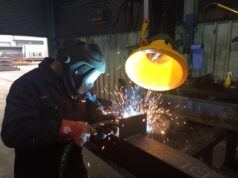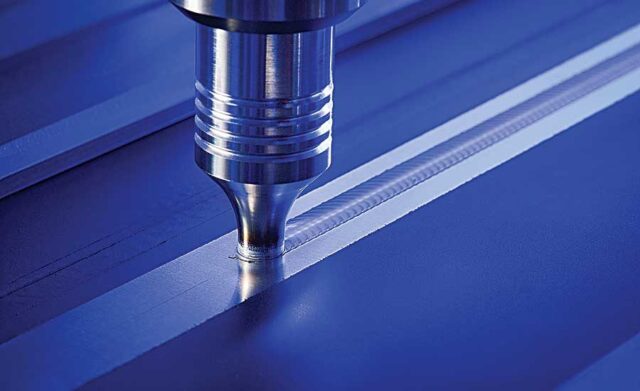
Friction stir welding (FSW) enhances material integrity and durability by utilizing frictional heat to forge materials together, significantly reducing the defects typically seen in traditional welding methods.
With FSW, clients can weld alloys that would otherwise be unsuitable for conventional techniques, resulting in substantially increased strength and resilience in high-stress applications, especially within the aerospace sector.
This technique provides exceptional thermal control, creating welds that feature fewer defects and minimized warping in lightweight materials — crucial for achieving precise manufacturing tolerances.
Moreover, FSW is environmentally sound, using less energy and generating less waste, which aligns with industry objectives aimed at adopting more sustainable practices.
Organizations leveraging FSW have reported enhanced production efficiency, including notable reductions in labor costs by up to 15%, ultimately contributing to improved profitability over time.
FSW plays a vital role in the creation of lightweight yet robust automotive components, like high-performance backing plates, which fulfill industry demands for efficiency and reliability.
With the rise of emerging technologies in robotics and AI, FSW is poised for disruption, promising to enhance automation and quality while further driving down operational costs in manufacturing.
Powerful Advantages of Friction Stir Welding in Modern Manufacturing
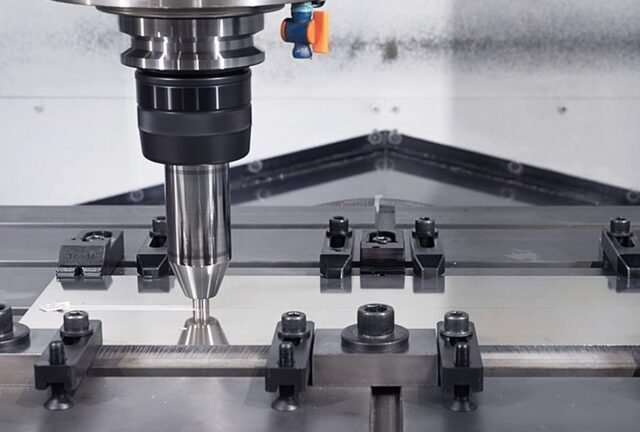
How FSW Enhances Material Integrity and Durability
In the fast-paced realm of manufacturing, friction stir welding (FSW) has quickly become a fundamental technique for improving material integrity and durability. Unlike traditional methods that melt materials, FSW utilizes a rotating tool to generate enough frictional heat, softening the base materials. This process forges them together, creating a bond that often surpasses that of conventional welding. Experts frequently emphasize that the technique significantly minimizes defects like porosity and cracks, which are typical challenges in arc welding.
When businesses adopt FSW, they typically observe a marked increase in the strength and resilience of welded sections. Alloys that once posed challenges for conventional welding become feasible, paving the way for novel applications. Picture a manufacturer working with aluminum alloys known to struggle under conventional welding conditions. With FSW, the integrity during the process is maintained, resulting in components that can withstand high-stress environments.
Take, for instance, a case in the aerospace field. Components crafted with FSW display fewer failure rates, which enhances safety and reliability in critical flight operations. This is pivotal where protecting structural integrity is paramount.
Comparative Benefits Over Traditional Welding Techniques
Friction stir welding distinctly outperforms traditional welding methods, and the contrasts are striking. It offers superior thermal control and ensures a more consistent weld quality. In traditional arc welding, excessive heat can warp or distort lighter materials. Conversely, the localized heat produced by FSW mitigates these harmful effects, allowing parts to be manufactured closer to intended tolerances and reducing the necessity for extensive post-weld machining.
Another significant advantage is the reduced environmental footprint. FSW involves less energy consumption since there are no external heat sources or gas shields needed. This sustainable method aligns with contemporary industries seeking eco-friendly solutions. Companies adopting FSW can align their practices with greener initiatives while experiencing lower utility costs.
Some specific benefits of FSW over traditional techniques include:
- Lower residual stresses: Resulting in fewer defects.
- Increased workability: Allowing for easier manipulation of materials post-weld.
- Versatile material applications: Enabling the welding of nearly any alloy.
Cost-Effectiveness and Efficiency in Production
Friction stir welding is not just about boosting performance; it’s equally about the financial bottom line. Firms that embrace FSW generally experience substantial cost savings over time. While the initial outlay for FSW equipment might seem considerable, the long-term advantages certainly justify the investment. It’s not just the removal of filler materials; it’s also about minimizing waste and speeding up production timelines that enhance overall efficiency.
How does this lead to increased profitability? Higher production efficiency, naturally, enables companies to handle more orders in shorter durations. Instead of waiting days for welded joints to cool and be machined, FSW facilitates uninterrupted processing. These systems can operate almost continuously, yielding significant throughput.
Industry reports suggest that organizations utilizing FSW may witness a labor cost reduction of up to 15% thanks to easier handling and the potential for automation. In simple terms, firms are securing a high return on their investments.
Key Applications of Friction Stir Welding Across Industries
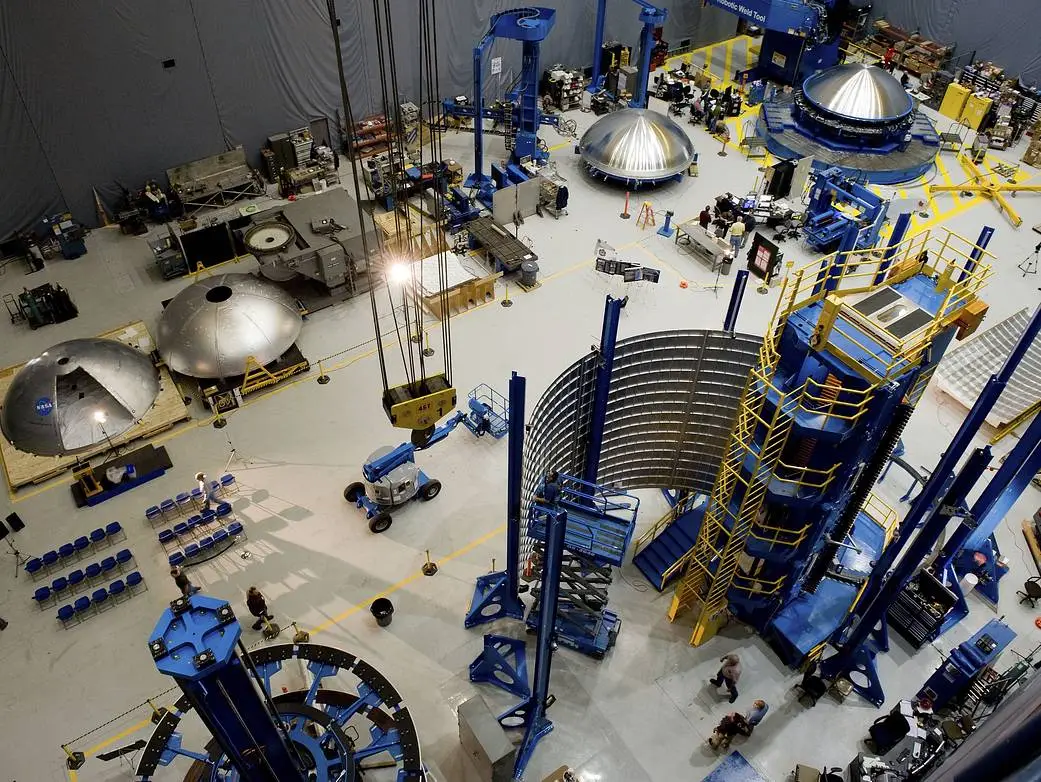
High-Performance Backing Plates in Automotive Manufacturing
Within automotive manufacturing, where lightweight yet robust materials are essential, FSW excels. The production of high-performance backing plates serves as a prime example. These plates are crucial to various vehicular systems and gain significant benefits from the unique properties of FSW.
Thanks to FSW, these backing plates achieve the necessary strength for high-torque applications, which enhances vehicle performance without sacrificing weight. As manufacturers increasingly face demands for eco-friendly technologies, like electric vehicles, the importance of efficient welding techniques becomes more pronounced.
Not surprisingly, several top automotive manufacturers are now adopting FSW for mass production. The ability to execute precise welding diminishes failures and reduces the risk of recalls, a substantial cost burden for the industry.
The Role of FSW in Aerospace and Defense Sectors
In the aerospace and defense sectors, innovation is not optional. The reliability of parts in aerial vehicles is non-negotiable. In this context, friction stir welding is crucial. The aerospace sector mandates materials that can endure extreme conditions without compromising structural integrity.
FSW allows manufacturers to fabricate fuselage and wing structures that are not only lighter but also significantly stronger than those produced via traditional welding methods. With safety at the forefront, reducing failure risks is an imperative driving factor.
Additionally, FSW simplifies assembly processes. Creating larger, multi-component sections in a single operation streamlines workflows. This reduction in complexity lowers the chances for errors and enhances safety, ultimately leading to a more effective production process.
Innovative Uses of FSW in Electronics and Semiconductor Fields
The electronics and semiconductor sectors often demand precision and reliable, cost-effective solutions without sacrificing quality. Friction stir welding provides pathways for intricate designs that meet the tightening performance standards prevalent in these industries.
For instance, FSW’s distinctive capabilities enable manufacturers to assemble heat sinks and other critical components necessary for superior thermal management in electronic devices. Efficient assembly techniques contribute to minimizing thermal resistance, which is vital for enhancing device efficiency.
Moreover, incorporating FSW into the development of compact designs addresses the ongoing demand for more streamlined electronics. By providing high performance without excessive physical space, FSW proves to be a fitting solution for the dynamic, innovative world of electronics.
Understanding the Friction Stir Welding Process – What to Expect
A Step-by-Step Breakdown of the FSW Technique
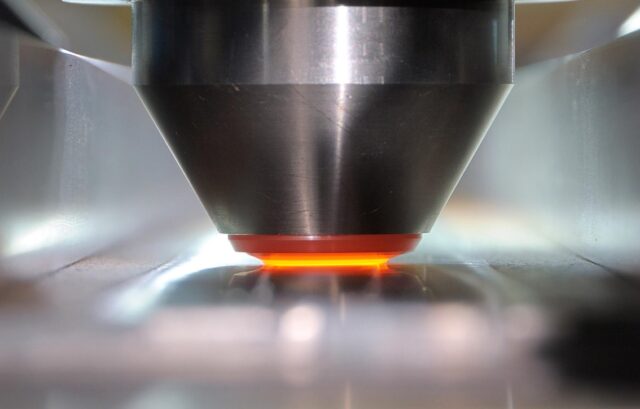
At first glance, the friction stir welding process may seem intricate, but deconstructing it reveals its straightforward nature. Here’s a quick overview of the involved steps:
- Preparation: Materials are aligned and securely clamped together.
- Insertion of tool: A rotating tool is positioned between the materials.
- Heat generation: The friction generates enough heat to soften the materials.
- Welding: The materials are forged together as the tool traverses along the joint.
- Cooling: The assembly is then allowed to cool and solidify.
During this process, precision plays a vital role. Companies that invest in high-quality equipment can expect superior end products. Proper tooling facilitates uniformity and repeatability—essential traits for industries expecting high standards.
Essential Equipment and Technology in FSW Operations
To fully understand friction stir welding, it’s important to discuss the necessary equipment involved. Although the equipment used may vary, several components are absolutely essential:
- FSW machines: Designed to apply the required force and manage rotation speed.
- Tooling: Specialized tools tailored for specific materials guarantee optimal results.
- Control systems: Advanced software is critical for accurately monitoring temperature and pressure throughout the weld.
This collaboration between high-quality machinery and technology breeds innovations that resonate across various industries. As businesses pivot towards greater automation, the integration of sophisticated settings into FSW processes is bound to boost efficiency.
Best Practices for Implementing FSW in Your Manufacturing Workflow
Transitioning to friction stir welding calls for thorough planning and strategic execution. Companies new to the method should adopt best practices such as:
- Training personnel: Skilled operators are crucial for maximizing FSW efficiency.
- Material selection: Gaining a thorough understanding of material behavior during welding can greatly influence outcomes.
- Regular equipment maintenance: This ensures longevity and flawless operation.
Establishing a feedback loop for continuous evaluation of processes improves manufacturing results. Monitoring and adjusting operational parameters can foster ongoing enhancement.
The Future of Friction Stir Welding – Trends and Innovations
Emerging Technologies and Developments in FSW
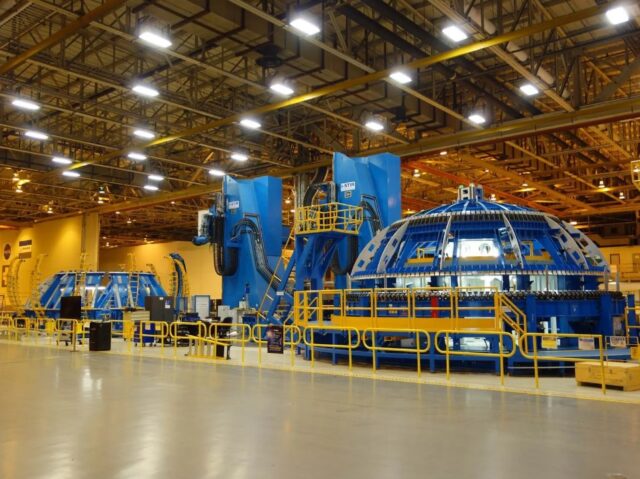
The domain of friction stir welding continues to evolve. Emerging technologies are set to elevate the field even further. With advancements in robotics and automation, future scenarios may involve fully automated FSW systems that boost production speed while decreasing human error. Imagine robots executing complex FSW tasks with precision, effortlessly meeting increasing demand.
This trajectory suggests a future where operational costs decline while output quality rises—a true win-win for manufacturers keen on staying competitive. The integration of AI technologies further enhances this by dynamically optimizing parameters based on the materials being processed.
Impact of FSW on Sustainability in Manufacturing
Currently, sustainability has transitioned from being merely a buzzword to an essential aspect of manufacturing. The benefits of friction stir welding align seamlessly with eco-friendly manufacturing goals. By consuming less energy and generating fewer waste materials, companies can actively portray themselves as responsible players in the industry.
Additionally, FSW significantly reduces harmful gas emissions. Traditional welding processes often produce fumes; however, the solid-state nature of FSW effectively eliminates this issue, leading to safer working conditions. Such practices resonate well with the growing number of eco-conscious consumers and regulatory entities.
How KEIHIN RAMTECH is Leading the Charge in FSW Advancements
KEIHIN RAMTECH is at the leading edge of innovation in friction stir welding. Specializing in backing plates and sputtering targets, the company illustrates how FSW can elevate material integrity and streamline production efficiency. Positioned strategically in locations such as Yokohama and Ibaraki, their commitment to developing RAM FORCE signifies not only technological progress but also a vision for a sustainable manufacturing future.
Focusing on continuous improvement, KEIHIN RAMTECH has established itself as a trusted authority, implementing best practices and groundbreaking solutions to remain ahead in the dynamic landscape of manufacturing.
Ultimately, FSW has proven itself to be a formidable force across various industries, offering significant advantages to those who harness its full potential in today’s competitive market.
FAQ
What materials can be welded using FSW?
Friction stir welding showcases remarkable versatility, capable of welding a diverse range of materials. Frequently welded materials include aluminum, copper, and magnesium alloys. This adaptability makes FSW especially valuable in sectors like aerospace and automotive, where material properties are critical.
How does FSW improve production timelines?
FSW enhances production timelines primarily by eliminating the lengthy cooldown periods associated with traditional welding methods. This approach allows for immediate handling after welding, leading to seamless operations. Enhanced efficiency results in quicker turnaround times for manufacturers looking to meet demanding deadlines.
What industries benefit the most from FSW?
Numerous industries reap the rewards of friction stir welding, including aerospace, automotive, and electronics. Each sector leverages FSW to bolster material strength, minimize weight, and enhance overall product reliability while maintaining efficient, cost-effective manufacturing processes.
How does FSW contribute to workplace safety?
FSW significantly promotes workplace safety due to its minimal hazardous fumes and lower energy requirements compared to traditional welding techniques. The solid-state nature of FSW reduces risks associated with molten materials, fostering a safer environment for operators and decreasing injury rates.
What kind of training is needed for operators working with FSW technology?
Operators need specialized training to effectively utilize FSW technology. This includes understanding the properties of materials, operating equipment, and monitoring processes. Skilled personnel can optimize the FSW practice, assuring high-quality outcomes while boosting efficiency in production.
Can FSW be automated, and if so, how?
Absolutely, friction stir welding can benefit from automation. By integrating robotics and advanced control systems, manufacturers can achieve precise and repeatable welding operations. Automation not only accelerates production speed but also minimizes human error, enhancing overall productivity.
What future trends are expected in FSW technology?
The future of friction stir welding points toward advancements in automation and AI integration. Manufacturers can anticipate smarter systems capable of dynamically adjusting parameters in real-time, leading to greater efficiency and superior weld quality. This tech-driven evolution is set to transform the manufacturing landscape.
How does FSW align with sustainability goals in manufacturing?
The reduced energy consumption and waste generation associated with friction stir welding align perfectly with sustainability initiatives. Organizations adopting FSW can lower their carbon footprint while boosting operational efficiency, seamlessly fitting into the broader movement toward environmentally responsible manufacturing practices.