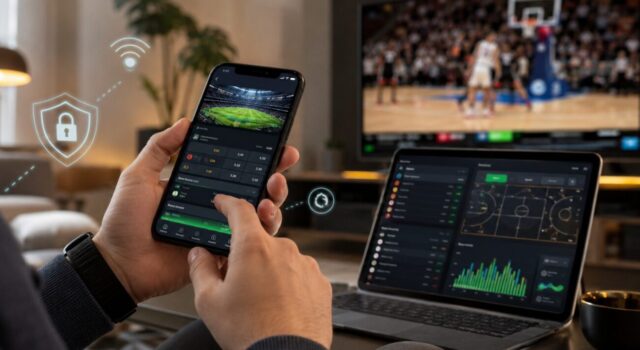
Sports betting apps have become faster, clearer and easier to use, yet a poor home setup can still cause delays at the worst moment. A weak connection, an outdated phone, or a cluttered screen can make live markets harder to follow. Modern home technology solves many of these issues. With the right network, display and device settings, users can follow events more comfortably and make better-informed decisions as regulated betting activity continues to reach record levels.
Why App Quality Still Matters Most
People who use sports betting online should start with a licensed app that performs reliably during busy events. Attractive odds have limited value when an app freezes, hides important terms, or takes too long to confirm a selection.
A strong app should load markets quickly and display account information clearly. Deposits, withdrawals and settled bets should be easy to review. Users also benefit from simple navigation between pre-match markets and live events.
Useful app features include:
- Custom alerts for selected teams, matches, or market changes
- Clear bet slips that show odds and potential returns before confirmation
- Fast access to account limits and transaction history
- Secure login options, including fingerprint or facial recognition
These features make the experience more practical. They reduce unnecessary tapping and help users focus on relevant information rather than searching through crowded menus.
A Better Home Network Reduces Delays
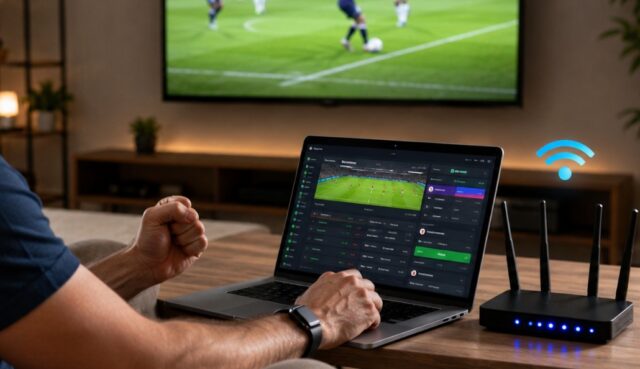
A reliable internet connection is one of the most useful home upgrades for sports betting apps. Live markets can change within seconds. A slow connection may show an old price or delay confirmation until the market has already moved.
Modern Wi-Fi routers often manage several connected devices better than older models. This matters in homes where televisions, phones, laptops and smart appliances share the same connection. A router with dual-band or tri-band support can direct traffic more efficiently.
Placement also matters. A router hidden in a cabinet or placed at the far end of the home may produce weak coverage. Keeping it in an open, central position usually improves signal strength. Larger homes may benefit from a mesh Wi-Fi system, which uses several access points to create more consistent coverage.
An Ethernet connection can also help when a laptop or desktop computer is being used. Wired connections tend to offer more stable performance during major fixtures, especially when the home network is busy.
Smart Displays Make Data Easier to Read
A large monitor or smart television can improve how users follow several sources at once. One screen can show the live event, while another displays statistics or the betting app. This setup is especially useful for sports with frequent market changes, such as basketball, tennis, or football.
Screen quality matters less than layout. A clear 24-inch monitor may be more useful than a large television positioned too far away. Users should be able to read odds, match times and account details without leaning forward or constantly zooming in.
Practical display upgrades include:
- A second monitor for match data or live broadcasts
- A phone stand that keeps the app visible without being held
- A wireless keyboard for quicker searches and account navigation
- Adjustable lighting that reduces glare on screens
A simple desk setup can be more effective than an expensive entertainment system. The main goal is to keep essential information visible while avoiding an overcrowded screen.
Phones, Tablets and Battery Management
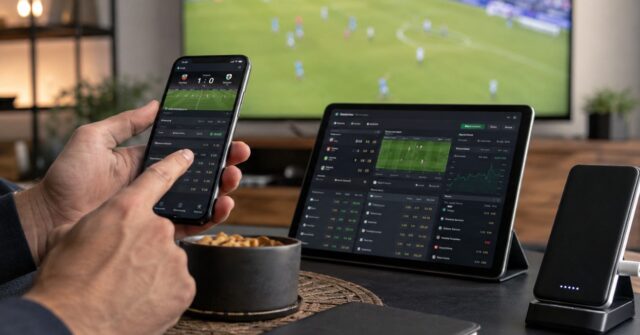
Most betting apps are designed for mobile use, so device performance has a direct effect on the experience. An older phone with limited storage may load markets more slowly. Keeping enough free storage and installing software updates helps maintain smooth performance and security. Users who prefer a larger screen may find a tablet offers a good balance between a phone and a computer.
Battery life also matters during longer events. A charging stand or power bank helps keep the device running when it matters most. People using sports betting online through several apps should also review notification settings. Limiting alerts to match updates, price changes, and account messages makes them far more useful.
Technology Reflects a Larger Market Shift
The demand for smoother digital betting tools is supported by wider market activity. According to the American Gaming Association, regulated sports betting revenue in the United States reached $16.96 billion in 2025, rising 22.8% from the previous year. That is a substantial figure and a fairly persuasive reminder that app developers have strong reasons to keep improving speed and usability.
This growth encourages operators to improve live data presentation, payment processing and cross-device performance. It also raises expectations. Users increasingly expect the same smooth experience from a sportsbook that they receive from banking, streaming and shopping apps.
Build a Setup Around Practical Use
The best home technology depends on how the app is used. Someone who places occasional pre-match selections may only need a reliable phone and stable Wi-Fi. A user who follows live markets may gain more from a second display, faster router and charging station.
Security should remain part of the setup. Strong passwords, device locks and official app stores help protect account information. Public Wi-Fi should be avoided for payments or account changes.
Modern technology makes sports betting online more organised and convenient. A reliable connection keeps markets current, while a suitable screen and a well-maintained device improve speed and readability. Together, these upgrades create a smoother experience without making the setup overly complicated.