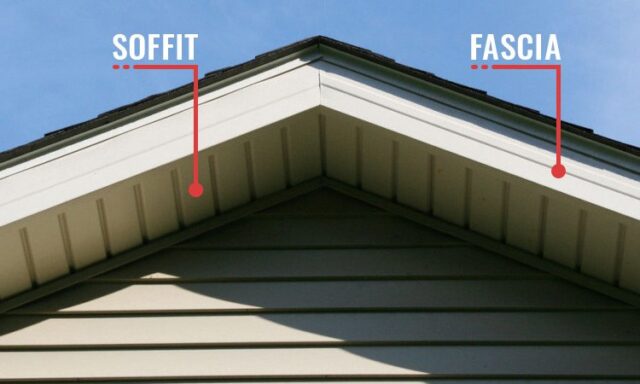
Choosing between vinyl and aluminum for soffit and fascia replacement is an important decision. Vinyl offers low maintenance along with a variety of styles while aluminum boasts unmatched durability and resistance to warping.
The materials selected impact thermal performance; using insulated soffit and fascia may lower energy bills and boost HVAC efficiency, making it a key component of home energy management.
Signs of water damage often include stains and peeling paint, which can indicate potential structural problems affecting the foundation if not addressed quickly.
Visual cues such as cracks, discoloration, and warping can suggest that the soffit and fascia materials are aging or damaged. A thorough inspection is necessary to avert further complications.
The installation process typically consists of inspecting existing materials, removing outdated structures, making any necessary repairs, and installing new materials, usually completed within a few days.
Investing in quality soffit and fascia materials could result in long-term savings and an increase in property value. This highlights the importance of weighing cost against value in home improvement projects.
Choosing complementary colors for soffit and fascia can dramatically elevate a home’s curb appeal, adding both aesthetic value and personal expression to the overall home design.
Choosing the Right Soffit and Fascia Materials for Your Home
Vinyl vs. Aluminum: Which Material Reigns Supreme?
When homeowners think about soffit and fascia replacement, they often face a familiar dilemma: vinyl or aluminum?
Each material brings unique advantages to the table, igniting passionate discussions among industry professionals and homeowners alike.
Vinyl siding is known for being low-maintenance and rot-resistant. Plus, it comes in a variety of colors and styles, allowing for customization that fits the home’s exterior. But how does it measure up against aluminum?
On another note, aluminum has its distinct benefits as well. It’s incredibly durable, resistant to warping, and won’t crack under pressure.
Though it may need painting after some time, the trade-off is its ability to withstand years of exposure without requiring replacement. Often, homeowners find themselves contemplating whether to prioritize low upkeep or robustness.
- Vinyl: Low maintenance, variety of styles.
- Aluminum: Durable, heat and moisture-resistant.
- Weight Matters: Vinyl is lighter and easier to handle during installation.
How Thermal Performance Impacts Your Home’s Efficiency
Selecting the right materials isn’t just about aesthetics; it significantly affects thermal performance as well. Softer materials can allow heat transfer, resulting in higher energy bills and stressing HVAC systems.
Experts recommend that homeowners consider materials with insulating properties to reduce heat escape in winter and keep cool air inside during the summer. Insulation is more than just a buzzword; it’s vital for energy efficiency.
With energy costs on the rise, investing in high-quality materials can pay off handsomely. An energy-efficient home also lessens its environmental impact.
Simply put, the right material choice can lead to savings – not just on energy bills but also on potential future renovations.
Signs Your Soffits and Fascia Need Immediate Attention
Recognizing Water Damage and Its Long-Term Effects
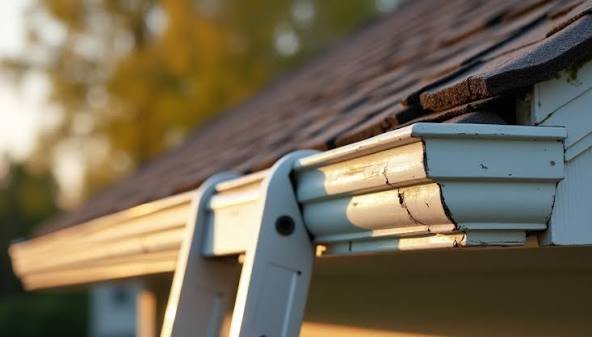
The signs of water damage are often too glaring to overlook and can cause considerable structural issues if left untreated. Homeowners should be alert for stains, peeling paint, or even mold growth, as these are all indicators of hidden water damage.
Such symptoms suggest that something may be wrong—perhaps with drainage or gutters. Neglecting these signs can lead to more dire consequences, not just for the soffits and fascia, but for the entire foundation of the home.
“Water damage doesn’t just affect the exterior; it can compromise the entire structural integrity of the home.”
Addressing minor issues promptly can prevent costly repairs in the future. Early intervention makes it easier to address damage through a simple replacement rather than extensive renovations later. Conducting regular visual inspections, particularly after heavy rain or storms, is essential to ensure the integrity of soffit and fascia structures.
Common Visual Cues of Worn or Damaged Materials
Visual cues can tell homeowners a great deal about the condition of soffits and fascia. It’s important to look for unmistakable signs like cracks, discoloration, and warping. These indications suggest that materials might be nearing the end of their operational life. Professionals often recommend a comprehensive inspection every few years, with special attention paid to the corners and entry points of the home.
- Cracks and Holes: Openings can compromise insulation and allow air leakage.
- Discoloration: Frequently a symptom of prolonged exposure to moisture or sun damage.
- Warping: Suggests material fatigue and vulnerability to further damage.
Materials that have worn down may become a sanctuary for pests or mold, thus complicating the urgent need for replacement.
The Installation Process: What Homeowners Can Expect
Step-by-Step Guide to a Flawless Installation
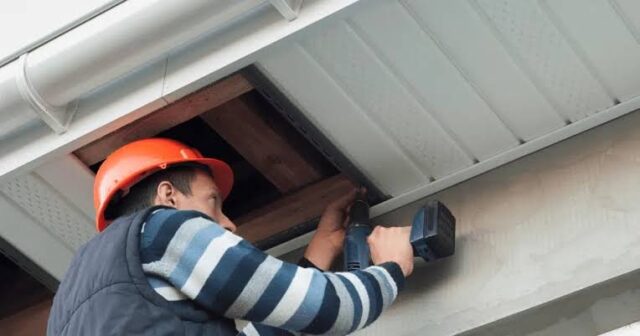
Understanding the installation process is crucial for any homeowner undertaking soffit and fascia replacement. Typically, it involves several key steps. It starts with an inspection of the existing materials and surrounding areas. Next, outdated or damaged soffit and fascia is removed, often followed by necessary repairs to the underlying structures. Finally, professionals install the new materials, ensuring proper ventilation and securing everything in place.
- Initial Inspection: Assess the existing condition.
- Removal: Take down the old soffit and fascia.
- Repairs: Address any underlying damage.
- Installation: Carefully install the new materials.
What can homeowners expect? The duration of the installation process may vary, often depending on the size and complexity of the home. Generally, a dedicated team can accomplish the job in a few days, leading to an upgrade without causing significant disruption.
Essential Tools and Safety Precautions for DIYers
For those who are keen on DIY, having the right tools is essential. A level, miter saw, and nail gun are critical for achieving a professional finish. Safety can’t be overlooked; gloves, safety glasses, and a hard hat are necessary before starting any installation project. Teaming up with a partner can also help manage the workload and ensure that everything goes smoothly.
- Safety Gear: Gloves, goggles, helmet.
- Key Tools: Nail gun, miter saw, level.
- Preparation: Measure twice, cut once to avoid costly mistakes.
Ultimately, whether collaborating with professionals or embarking on a DIY project, thorough preparation and diligence can lead to a flawless result.
Transforming Curb Appeal with Professional Soffit and Fascia Services
How Color Choices Affect Overall Aesthetic
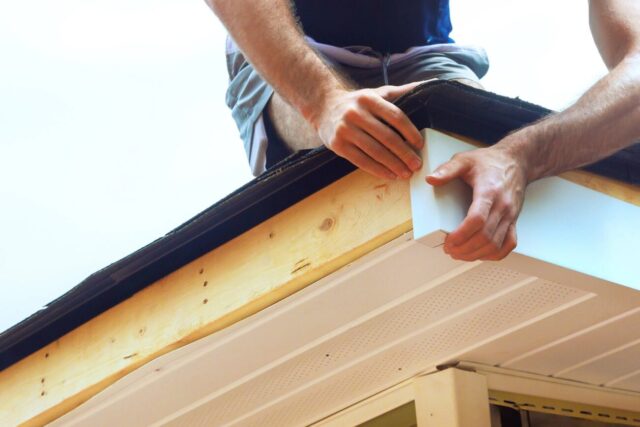
Choosing the right colors plays a pivotal role in enhancing overall aesthetics. Homeowners often underestimate this vital aspect, believing that practicality outweighs style.
However, selecting colors that harmonize with existing home architecture can dramatically boost curb appeal while reflecting personal taste. Trends indicate that bolder colors combined with neutral tones are making a splash in the market. The right color combination can create a striking visual impact that sets a home apart.
“Color is more than skin-deep; it speaks to the home’s personality.”
Comparing Cost vs. Value: Investing in Your Home’s Exterior
Lastly, evaluating cost versus value is immensely important when considering soffit and fascia services.
Professionals stress that investing in quality materials usually correlates with long-term savings.
Options that are cheaper may appear attractive at first but can lead to more frequent replacements and maintenance down the road.
In the end, smart investments yield substantial returns, benefiting both the homeowner’s finances and overall property value.
- Cost of Materials: Favor long-term durability over initial price.
- Enhanced Resale Value: High-quality materials often appeal to potential buyers.
- Energy Efficiency: Superior insulation lowers energy costs.
Grasping the intricate implications of soffit and fascia replacement is vital. In the ever-evolving realm of home improvement, every choice influences not just immediate rewards but future outcomes as well.
FAQ
What are the most popular color choices for soffit and fascia?
Current trends indicate that homeowners often favor bold colors paired with neutral shades to achieve striking contrasts. Classic white continues to be a strong contender due to its versatility, while deeper shades like navy blue or forest green are increasingly sought after by those wanting to showcase their individuality.
How often should soffit and fascia be inspected for damage?
Experts commonly recommend inspections every few years. However, following severe weather events, closer scrutiny is warranted to identify any potential issues arising from storms or heavy rainfall.
What maintenance do vinyl and aluminum soffit and fascia require?
Vinyl generally demands less upkeep, as it can typically be cleaned easily with soap and water. Aluminum may necessitate periodic painting to maintain its appearance, especially when subjected to harsh environmental conditions, but it remains relatively low-maintenance overall.
Can soffit and fascia replacement improve home ventilation?
Absolutely. Properly installed soffit and fascia can enhance airflow in attics, helping balance temperature and moisture levels. This not only extends the life of roofs but also contributes to energy efficiency, fostering a healthier living space.
What role does soffit and fascia play in pest control?
Effective soffit and fascia installation can act as barriers to prevent pests like rodents and insects from entering the home. Sealing gaps and ensuring no openings are left helps to keep unwanted critters outside.
Are there eco-friendly options for soffit and fascia materials?
Yes, many manufacturers provide eco-friendly materials, including recycled aluminum and sustainably-sourced wood. These options not only lessen the environmental footprint but often enhance thermal performance, ultimately supporting energy efficiency.
How do installers ensure proper ventilation during installation?
Professional installers pay close attention to vent design and placement, ensuring that soffit panels facilitate airflow while preventing moisture ingress. Strategic installation aligns with local building codes to optimize ventilation and maintain a healthy attic environment.
What should homeowners expect in terms of warranty for soffit and fascia materials?
Warranties can differ between manufacturers but commonly range from 20 to 50 years for vinyl and aluminum materials. Homeowners should always review the warranty details to understand coverage and any necessary maintenance to uphold it.