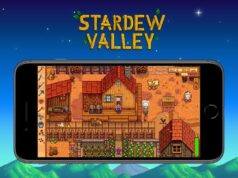
There was a time when playing on a phone felt like the smaller version of gaming. You used the mobile version because you were away from the computer, because there was nothing else around, or because the game itself was built to be quick and disposable. That distinction has mostly disappeared. Phones are now where a huge amount of gaming happens first.
The screen got smaller, the games did not
Modern phones can handle far more than simple puzzle games or basic card titles. Developers are building around touch controls, faster processors and screens that are bright enough to carry detailed animation without everything turning into visual mush.
That has changed expectations. A mobile game can now be something people return to for long sessions rather than something they open for five minutes on a bus. The same shift has happened around betting and casino apps.
A Betwayapp user, for example, can move through sports markets, live sections and casino games without feeling as though they are using a reduced version of the desktop platform. That matters because people are less willing to accept obvious compromises on mobile now.
Touch changed the way games are designed
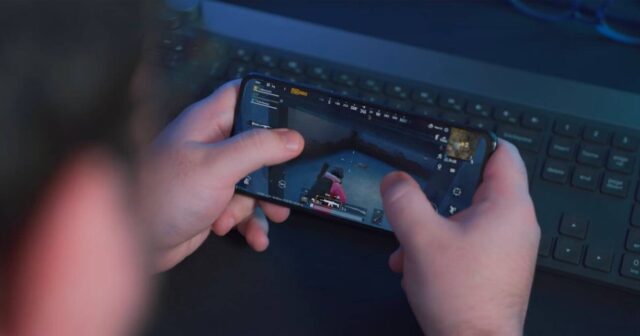
A mouse gives precision. A touchscreen gives immediacy. That difference has pushed developers to think differently about buttons, menus and movement. Controls need more space. Important actions cannot hide in tiny corners.
Anything that takes too many taps starts to feel old very quickly. Casino games have adapted especially well to this.
Slots already work naturally with a large central control. Roulette tables can be zoomed and tapped. Blackjack decisions can appear at exactly the moment they are needed.
Short sessions still matter, but so do long ones
Mobile gaming became popular partly because it worked in small gaps. Five minutes waiting somewhere. Ten minutes before a meeting.
A quick game before bed. That has not gone away. What changed is that people now also use the same device for much longer sessions. Someone might start with a quick game and still be there forty minutes later.
That creates a strange design challenge. The game has to be easy enough to enter instantly, but comfortable enough that staying does not become tiring.
Apps know where you left off
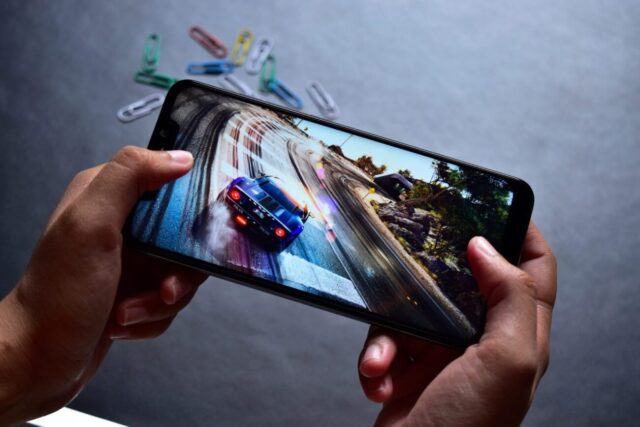
One of mobile’s quiet advantages is continuity. An app can remember recent games, favourite sections and previous activity in a way that makes returning much easier. That is useful for anything with a large catalogue.
Nobody wants to search through hundreds of titles every time they open the phone. Recently played sections, favourites and decent search do a lot of work in the background.
Mobile also made developers less patient with bad loading
A desktop user might tolerate a little waiting. Phone users usually do not. The expectation is closer to instant.
Tap the icon, tap the game, start. That has pushed gaming platforms towards lighter pages, better caching and smarter loading.
The important part appears first, while heavier elements arrive around it. Again, most players never think about that technology.
The phone became the gaming machine people already own
That is probably the biggest reason mobile gaming keeps growing. There is no separate setup. No extra screen to buy. No desk needed. No decision to sit down and start a gaming session. The device is already in the pocket.