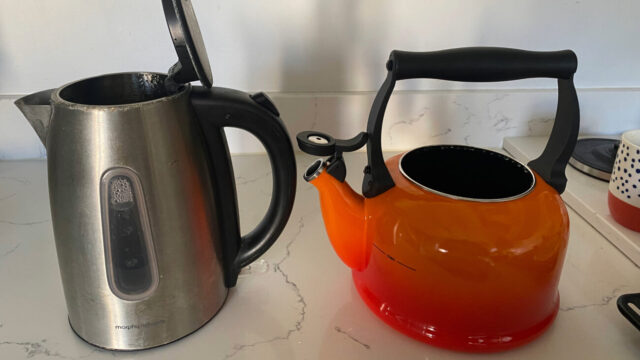
A cup of tea or coffee may seem inexpensive, but have you ever wondered what it really costs to boil water every day? Most households focus only on the price of gas cylinders or electricity bills, overlooking efficiency, time, and convenience. Over months and years, these factors add up.
Choosing the right method for boiling water is not just about habit anymore; it is about making smarter decisions for your home.
As modern kitchen appliances become more energy-conscious, many people are comparing traditional gas stoves with electric kettles to understand which option offers better value. The answer depends on much more than the utility bill.
Options Beyond the Energy Bill
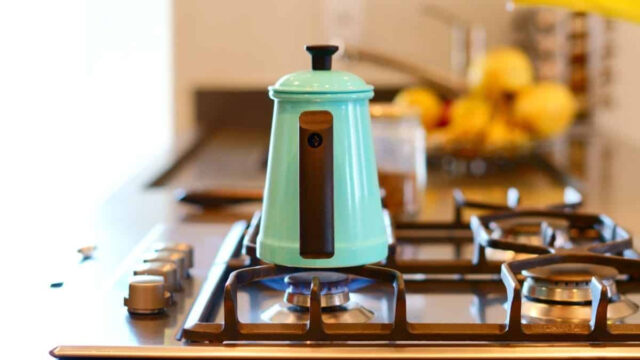
When people compare gas stoves and electric kettles, they often look only at fuel costs. However, the true cost includes energy efficiency, cooking time, maintenance, safety, and even the environmental impact.
Gas stoves lose a considerable amount of heat to the surrounding air before it reaches the water.
This means a portion of the fuel you pay for never actually contributes to boiling. Electric kettles, on the other hand, transfer heat directly to the water through concealed heating elements, making the process significantly more efficient.
If you are exploring efficient cooking solutions, you can also refer to the induction cooktop collection and the kettle collection available on the Wipro Appliances website for a better understanding of today’s energy-efficient cooking technologies.
Time Is a Hidden Cost
The value of your time is often ignored when calculating everyday expenses. A gas stove requires you to light the burner, adjust the flame, monitor the vessel, and switch it off once the water boils. During busy mornings, those extra minutes matter.
In comparison, electric kettles simplify the process. You fill them, switch them on, and they automatically turn off once the water reaches the boiling point.
This allows you to prepare breakfast, organise your workspace, or complete another task without constant supervision.
Saving even a few minutes every day translates into hours over an entire year, making convenience another important part of the true cost.
Efficiency Makes a Big Difference
Energy efficiency directly affects long-term operating expenses.
Gas burners typically convert only part of the fuel into useful heat because much of it escapes around the sides of the vessel.
In contrast, electric kettles are designed specifically for heating water, reducing wasted energy and delivering faster results.
Similarly, an induction cooktop works differently from traditional gas cooking by heating compatible cookware directly instead of heating the surrounding air.
While it serves broader cooking purposes, it also demonstrates how modern technology focuses on minimising energy loss.
Understanding these differences helps homeowners choose smarter kitchen appliances that balance performance with efficiency.
Safety and Maintenance
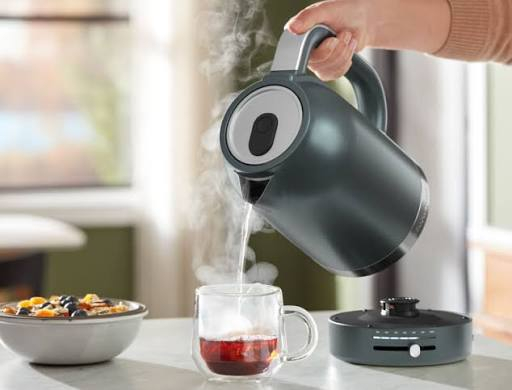
Every appliance carries maintenance responsibilities, but the level of effort varies. Gas stoves need regular burner cleaning, gas pipe inspections, and careful flame management.
Open flames also increase the risk of accidental burns or unattended cooking incidents.
Electric kettles eliminate open flames altogether and usually include automatic shut-off and boil-dry protection features.
These functions reduce the chances of overheating while requiring relatively simple cleaning to remove mineral deposits.
Lower maintenance and improved safety may not appear directly on your monthly bill, but they certainly reduce long-term inconvenience and potential repair costs.
Which Option Offers Better Long-Term Value?
There is no single answer because every household has different cooking habits.
If you frequently boil water for tea, coffee, instant meals, or cooking preparation, electric kettles usually provide greater efficiency and convenience. Their faster performance and automatic operation make them suitable for busy lifestyles.
However, if you are already using a gas stove for multiple cooking tasks, boiling water alongside meal preparation may sometimes feel more practical.
Many modern homes now combine multiple kitchen appliances to suit different needs rather than depending on one solution alone.
Exploring the kitchen appliances collection on the Wipro Appliances website can help you understand how different appliances complement everyday cooking routines.
Making Smarter Choices Every Day
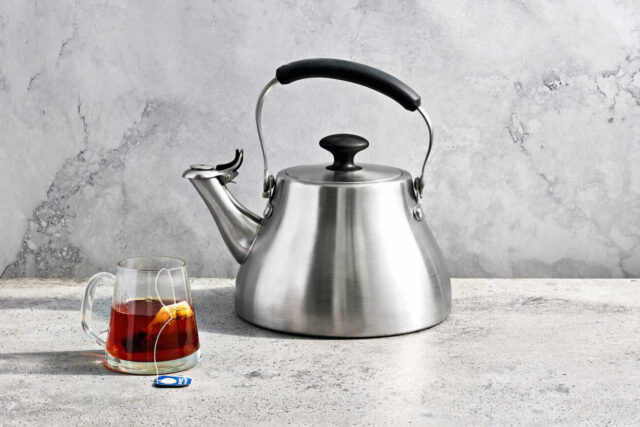
The true cost of boiling water extends far beyond the price of gas or electricity. It includes time, efficiency, maintenance, safety, and everyday convenience.
While both methods continue to serve households well, Electric kettles often deliver greater efficiency for dedicated water boiling, whereas gas stoves remain versatile for broader cooking tasks.
An induction cooktop represents another energy-conscious option for modern kitchens, highlighting how technology continues to improve everyday cooking experiences.
By understanding the strengths of each solution and choosing kitchen appliances that match your lifestyle, you can reduce unnecessary energy waste, simplify daily routines, and make every cup of tea or coffee a little more efficient in the long run.