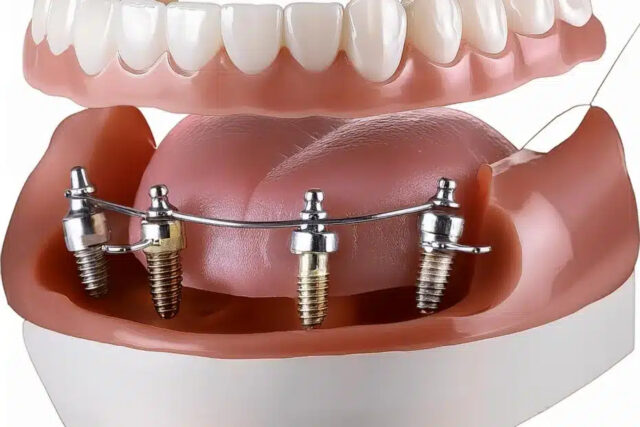
The All-on-4 dental implant experience does not begin in the treatment chair. It starts the moment a patient enters the office, speaks with the team, and sees how the space, technology, and workflow are organized.
A well-designed dental office can help patients feel calmer, move through the process more easily, and understand their treatment with greater confidence. From comfortable waiting areas to digital imaging and efficient scheduling, the right environment supports both patient comfort and better care.
How Dental Office Design Improves Patient Comfort
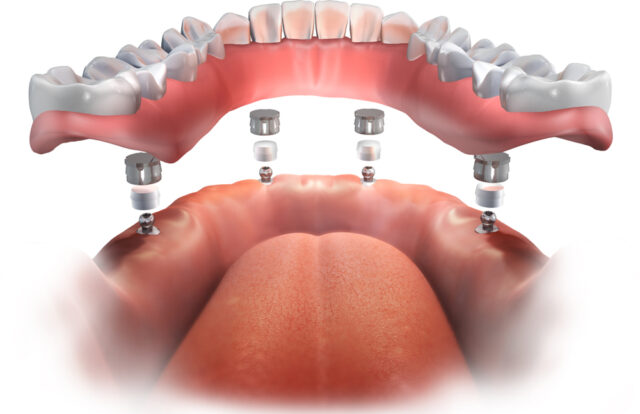
A dental office should do more than look clean and professional. For All-on-4 patients, the space can shape how calm, informed, and confident they feel before treatment begins. Good design supports the clinical experience by reducing stress, improving movement through the office, and making each step feel more organized.
Creating a Soothing Environment for All-on-4 Patients
First impressions matter in dental care, especially for patients who feel nervous about implant treatment. A calm office setting can help reduce tension and make the visit feel less intimidating.
The most effective comfort-focused design choices often include:
- Soft lighting that feels warm rather than harsh
- Comfortable seating in the waiting area
- Neutral or calming colors on walls and furniture
- Plants or natural details that make the space feel less clinical
- Quiet background sound or acoustic control to reduce stressful noise
These details may seem small, but together they create a more welcoming environment. When patients feel more relaxed, they are often more open to asking questions, understanding treatment options, and trusting the care process.
How Layout Affects Patient Experience
Office layout is just as important as decor. A patient should be able to move from reception to consultation, imaging, and treatment areas without confusion.
Clear signage, accessible reception areas, and a logical room arrangement can make the visit feel smoother from the start.
A good layout also helps the dental team work more efficiently. When patients are guided through the office without unnecessary waiting or backtracking, the appointment feels more organized. For All-on-4 treatment, where patients may already feel anxious about the procedure, that sense of structure can make the entire experience more comfortable.
Integrating Technology into Office Spaces for Better Dental Care
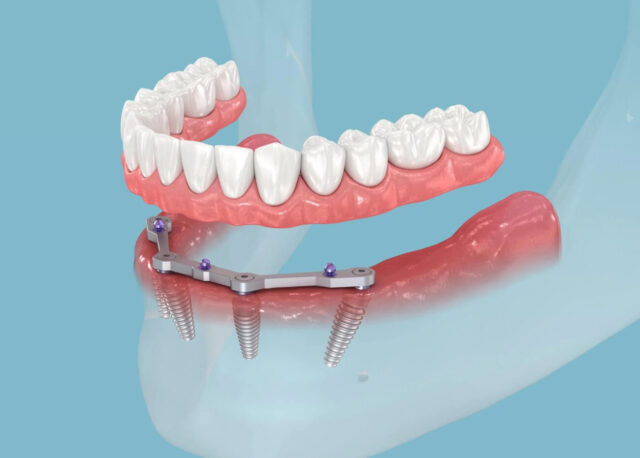
Technology can make the All-on-4 dental implant experience more precise, organized, and easier for patients to understand. When digital tools are built into the office workflow, the team can collect information faster, plan treatment more clearly, and reduce unnecessary delays during the patient journey.
Advanced Equipment That Streamlines Treatment
Modern dental offices often use technology to improve both diagnosis and treatment planning.
For All-on-4 patients, tools such as 3D imaging, digital impressions, CAD/CAM systems, and digital treatment planning can help the team evaluate bone structure, design restorations, and coordinate each step with greater accuracy.
These tools can support a smoother process by helping with:
- More detailed imaging during consultations
- Faster treatment planning
- Better communication between the dental team and lab
- Fewer delays caused by unclear measurements or missing information
- A more professional, confidence-building patient experience
Technology does not replace clinical skill, but it can help the team work with better information. For patients, that often means a clearer explanation of the procedure and a more organized path from consultation to treatment.
Virtual Consultations for Dental Implant Patients
Virtual consultations can make the first step feel less intimidating for patients who are considering All-on-4 dental implants. Instead of coming into the office immediately, patients may be able to ask initial questions, discuss concerns, and understand whether they are likely to need an in-person evaluation.
This approach is especially useful for explaining the treatment process, reviewing general expectations, and preparing patients for the next visit.
A virtual consultation cannot replace a full clinical exam, imaging, or diagnosis, but it can help patients arrive better informed and more comfortable with the process.
Maximizing Efficiency: Office Workflow Strategies for Implant Practices
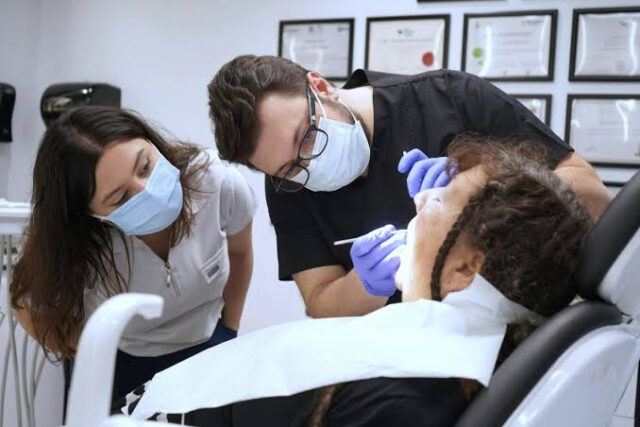
Efficient workflow is especially important in implant practices because patients often move through several steps, from consultation and imaging to treatment planning and follow-up care. When scheduling, intake forms, room preparation, and team communication are organized well, the visit feels smoother for both patients and staff.
Best Practices in Patient Flow Management
Delivering a smooth patient experience relies heavily on effective workflow management. Let’s be honest: no one enjoys extended wait times.
Implementing best practices in patient flow can turn a tedious experience into one that feels efficient and even enjoyable. Importantly, this process starts long before the patient sets foot in the office.
Using online scheduling tools that prompt confirmations and reminders can drastically lessen no-shows while keeping daily schedules organized.
Additionally, automating segments of the patient intake can save valuable time for both staff and clients alike.
Inside the office, flow management doesn’t just pertain to scheduling. Staff should be trained to foresee patient needs.
Assigning specific roles can further optimize daily routines as well. When each team member knows their responsibilities, patients navigate their visit as if guided through a structured tutorial.
Scheduling Strategies to Reduce Wait Times
In conversations about patient satisfaction, long wait times are rarely received well. Effective scheduling strategies can significantly minimize wait times and boost overall patient satisfaction.
The arrangement of appointments plays a critical role in determining a practice’s reputation. For example, staggering appointments can alleviate bottlenecks in patient volume. It’s a straightforward yet highly effective approach.
Offering a variety of appointment slots—early bird, late evening, or even weekend openings—can draw in a wider clientele.
By recognizing patient preferences, practices can enhance personalization, even in scheduling. Regularly incorporating patient feedback into scheduling adjustments can also yield fruitful outcomes.
Measuring the Impact of Office Ambiance on Treatment Outcomes

Office ambiance can influence how patients feel before, during, and after dental implant treatment. A calm, organized, and welcoming environment may help reduce stress, support better communication, and make patients more receptive to treatment recommendations.
For All-on-4 patients, this matters because the procedure often involves several visits, detailed planning, and a high level of trust between the patient and the dental team.
The Psychological Effects of a Well-Designed Space
The overall ambiance of a dental office does much more than appeal to the senses. The psychological impact of an environment on patient mood and behavior can be profound.
Research demonstrates that a well-crafted atmosphere can substantially lower anxiety, leading to favorable treatment outcomes. When dental spaces are thoughtfully designed, patients tend to respond positively, both emotionally and physically.
Additionally, there’s a notable connection between decor and self-esteem. When individuals feel comfortable in their surroundings, they are more likely to engage positively with care recommendations.
Some studies suggest that aesthetics can even alter pain perception; who wouldn’t want to capitalize on that? By intentionally cultivating a warm, inviting environment, practices can bolster patient receptiveness to care.
It’s intriguing to observe how even modest design changes can lead to significant enhancements in treatment experiences. Thoughtful details will not go unnoticed by clients.
Patient Satisfaction: Surveys and Feedback Analysis
Collecting patient feedback is crucial for ongoing improvement. Surveys and feedback analysis provide actionable insights into patient experiences, thereby improving service quality.
Regular distribution of these instruments post-appointments aids practices in gauging perceptions and identifying areas that need a boost.
Patients are generally more willing to voice their thoughts when prompted. Therefore, developing surveys that address various aspects—from technician interaction to the ambiance of the office—is essential. This comprehensive approach sets the stage for data-informed enhancements.
Moreover, delving into the data can inform decisions, such as updating aspects of the waiting area that do not resonate with patients. Future patients will undoubtedly benefit from environments that evolve to better meet their preferences. A proactive approach leads to continuous refinement!
“The best patient is the one who trusts you – and that begins long before a treatment starts.”
The journey to elevate All-on-4 dental implant services often begins and ends with the office ambiance. Evidence indicates that practices prioritizing atmosphere, technology, and workflow efficiency navigate challenges with resilience. Clients can anticipate more than just a treatment; they engage in a significant partnership in their journey to oral health.