
Anxiety is no longer a niche concern. According to the World Health Organization, anxiety-related disorders affect hundreds of millions of people worldwide, making them one of the most common mental health challenges of modern life.
At the same time, focus feels increasingly fragile and emotional balance harder to maintain in a world built on constant alerts, deadlines, and digital noise. This growing gap between how people want to feel and how they actually feel has fueled interest in wellness tools that promise calm without sedation and clarity without stimulation.
CBD has quietly moved into this space. Not as a cure, not as a miracle, but as something many people describe as supportive. Its appeal is global, crossing age groups, cultures, and lifestyles, because the underlying need is shared: feeling steady, present, and mentally clear in a demanding world.
Why anxiety, focus, and balance are now linked challenges
Anxiety rarely shows up alone anymore. For many people, it arrives paired with scattered attention, sleep disruption, and a constant feeling of being slightly off-center. This is not accidental. Chronic stress alters how the nervous system processes information, making it harder to concentrate and easier to feel overwhelmed.
When focus drops, anxiety often rises. Tasks take longer, mistakes increase, and self-doubt creeps in. Over time, this cycle creates mental fatigue rather than productive effort. Balance, in this context, is not about eliminating stress. It is about how well the body and mind recover after stress appears.
Common signals that these challenges are overlapping include:
- Feeling mentally busy even during rest periods.
- Difficulty sustaining attention without feeling tense.
- Emotional reactions that feel stronger than the situation warrants.
- Sleep that feels light or unrefreshing despite enough hours.
CBD enters this conversation because it is often explored not for stimulation or sedation, but for regulation.

How CBD fits into modern wellness routines
CBD is not used the same way people use caffeine or sleep aids. Its role in wellness routines is typically quieter and more gradual. Many users approach it as a background support rather than a quick fix.
Early adopters often describe using CBD alongside other stabilizing habits such as hydration, movement, or mindfulness. The interest lies in its interaction with the body’s endocannabinoid system, which plays a role in mood regulation, stress response, and cognitive balance.
In practical terms, people often explore CBD for reasons such as:
- Supporting calm during high-pressure workdays.
- Reducing mental noise without dulling alertness.
- Encouraging smoother transitions between activity and rest.
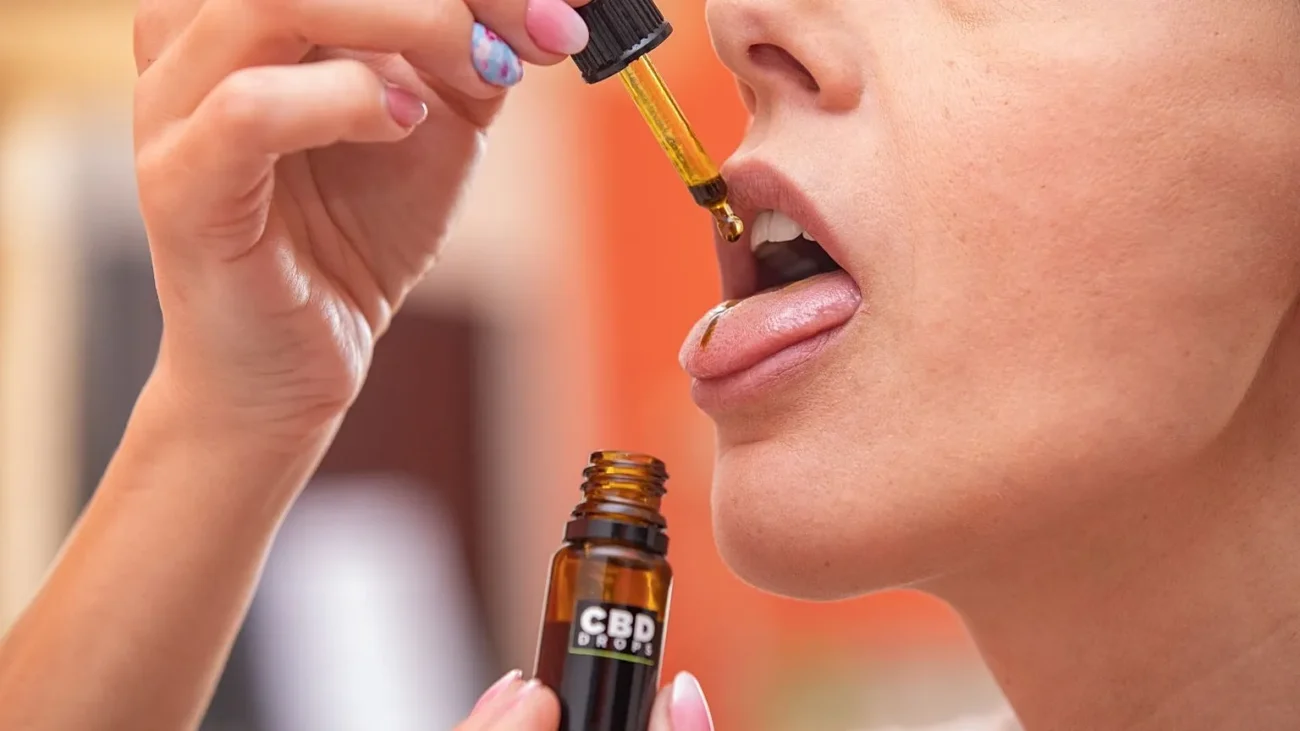
If CBD oils are the format you’re leaning toward, it helps to pick based on how you actually live, not on hype. Someone who wants a steady, everyday baseline often does better with a simple routine and consistent dosing, while a person who only wants support during occasional high-stress windows might prefer something easier to adjust.
When you’re comparing strengths and formulas, it’s worth using a curated collection you can scan quickly instead of bouncing between random product pages, so you can click here to discover the best CBD oils and compare options in one place without overthinking it.
Anxiety support without emotional flattening
One of the reasons CBD resonates with people experiencing anxiety is the desire for relief without losing emotional range. Many traditional approaches can feel heavy-handed, either muting emotions or creating dependence.
CBD’s appeal lies in reports of subtlety. Users often describe feeling less reactive rather than numb. This distinction matters. Emotional balance is not the absence of feeling, but the ability to respond proportionately.
Reported reasons people turn to CBD for anxiety support include:
- A preference for non-intoxicating options.
- Desire to stay mentally present and socially engaged.
- Sensitivity to stronger pharmaceutical effects.
- Interest in plant-derived compounds with broad tolerance.
Did you know?
The endocannabinoid system helps regulate stress recovery rather than blocking stress entirely. This regulatory role explains why some people notice cumulative effects over time rather than immediate changes after a single use.
This framing positions CBD as supportive rather than suppressive, which aligns with how many people think about long-term wellness.

Focus and mental clarity in overstimulated environments
Modern work environments demand sustained attention while offering constant interruption. Notifications, open tabs, and multitasking strain cognitive resources. Over time, this fragmentation reduces efficiency and increases frustration.
CBD is often explored by people who feel mentally tired but still wired. In these cases, the goal is not to boost energy, but to smooth mental transitions and reduce background tension that interferes with concentration.
People interested in CBD for focus often mention:
- Easier task engagement without forcing attention.
- Less mental fatigue during long cognitive sessions.
- Improved ability to return to tasks after interruptions.
These experiences are subjective, but they point to an underlying theme. Focus improves when the nervous system is not constantly signaling threat or urgency. By supporting a calmer baseline, CBD may indirectly support clearer thinking.
Balance as a physical and emotional concept
Balance is frequently discussed as a mental state, but it also has a physical dimension. Stress affects digestion, muscle tension, sleep rhythms, and immune responses. When these systems fall out of sync, mental well-being follows.
CBD’s global wellness appeal is partly due to its perceived versatility. People do not approach it solely for anxiety or focus, but for a sense of overall equilibrium.
Areas where users commonly seek balance include:
- Sleep-wake consistency.
- Recovery after physical activity.
- Stress-related tension in the body.
- Emotional resilience during unpredictable periods.
Rather than targeting one symptom, CBD is often used as part of a system-wide approach. This holistic framing helps explain its adoption across cultures with different wellness philosophies.
Comparing CBD formats for wellness use
Different CBD formats suit different routines and preferences. Understanding these differences helps align expectations with use.
- Format
- Typical use case
- Onset speed
- Duration
- Oils and tinctures
- Daily balance and flexibility
- Moderate
- Moderate to long
- Capsules
- Consistent dosing
- Slow
- Long
- Topicals
- Localized physical comfort
- Variable
- Localized
- Edibles
- Convenience and taste
- Slow
- Longer
Oils are often chosen for their adaptability, allowing users to adjust timing and amount based on daily needs. Capsules appeal to those who prefer routine and predictability.
After selecting a format, users often reassess how it fits into existing habits rather than expecting immediate transformation.
Safety, expectations, and responsible use
CBD’s mainstream presence does not remove the need for thoughtful use. Expectations matter. People who approach CBD as a cure-all are more likely to feel disappointed than those who treat it as a supportive tool.
Responsible considerations typically include:
- Starting with lower amounts and adjusting gradually.
- Paying attention to timing relative to meals and sleep.
- Consulting professionals when combining with medications.
- Choosing products with transparent testing and labeling.
CBD is not universally suitable, and individual responses vary. A measured approach helps maintain trust in the process rather than chasing exaggerated claims.

Conclusion
As anxiety, focus challenges, and emotional imbalance become more visible parts of everyday life, the search for supportive solutions continues. CBD speaks to this moment because it sits between extremes. It is neither a stimulant nor a sedative, neither a cure nor a trend in isolation.
Its role in global wellness lies in moderation and integration. For many, it represents a small adjustment that supports steadier days, clearer thinking, and more consistent balance. In a world that rarely slows down, that kind of quiet support is exactly what people are looking for.