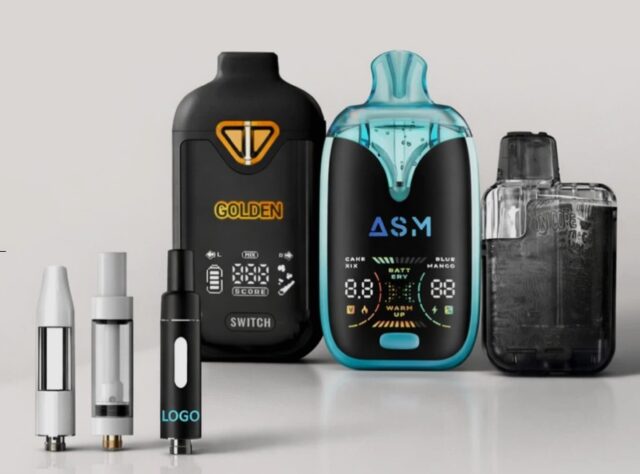
Choosing the right vaping device can feel confusing, especially with so many designs, terms, and feature sets on the market. Devices differ not only in appearance but also in power delivery, maintenance, and overall experience.
A clear understanding of how each category works helps users avoid mismatched expectations and unnecessary spending.
This guide focuses on the core types of devices used today and explains how they function, who they suit, and what practical differences matter in everyday use. The goal is clarity, not hype, so readers can make informed decisions based on real usage needs.
The Role of Vape Hardware
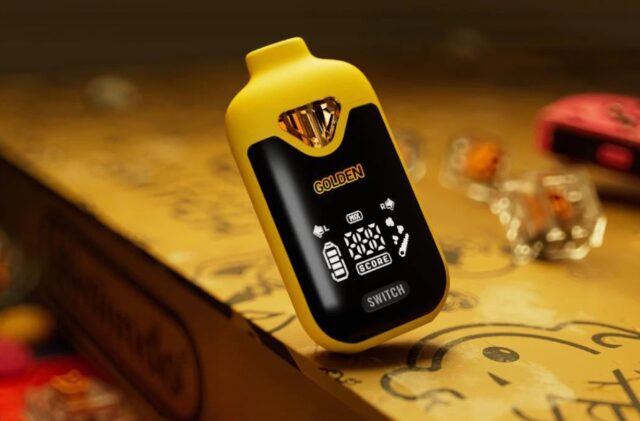
When people talk about performance, flavor, or vapor output, they are usually reacting to the underlying hardware rather than the liquid itself. The term vape hardware covers the physical components that power, heat, and deliver vapor. It includes the battery, chipset, coil system, airflow design, and housing. Each of these elements influences how a device behaves during use.
A good place to see how these elements come together is within modern collections of vape hardware, where device categories are clearly separated by function and capability. Hardware choices determine draw tightness, warmth, consistency, and how forgiving the device is for beginners.
From a practical standpoint, hardware selection affects daily habits such as charging frequency, coil replacement intervals, and portability. Understanding hardware first prevents frustration later, especially for users transitioning away from cigarettes or disposable-only use.
Vape Mods Explained
Vape mods are designed for users who want control over power, airflow, and coil selection. They typically feature larger batteries and adjustable settings that allow precise tuning. Mods can be regulated with built-in chipsets or mechanical for advanced users, although regulated models dominate the market due to safety features.
Before listing benefits, it helps to understand why mods appeal to experienced users. They provide customization that other formats cannot match:
- Adjustable wattage or voltage for tailored output
- Compatibility with multiple tank and coil systems
- Larger batteries for extended use between charges
- Enhanced airflow control for direct lung styles
Mods require more maintenance than simpler devices. Coils need regular replacement, tanks require cleaning, and settings must be adjusted correctly. For users willing to learn, mods offer the most adaptable experience available.

Pod Systems and Their Practical Appeal
Pod systems bridge the gap between simplicity and performance. They use compact cartridges instead of large tanks and usually operate at lower power levels. Many pods rely on draw activation, making them feel intuitive for beginners.
Pods are popular because they reduce complexity without sacrificing consistency. Users benefit from predictable output and minimal setup:
- Lightweight designs suitable for daily carry
- Replaceable or refillable pods with integrated coils
- Lower power usage for extended battery life
- Smooth nicotine delivery using salt formulations
While pods lack the deep customization of mods, they excel in convenience. Coil replacement often means swapping the entire pod, which simplifies maintenance. For users prioritizing ease and portability, pod systems remain one of the most balanced options.
Disposable Vapes and Convenience-First Design
Disposable devices are built for immediacy. They arrive pre-filled, pre-charged, and ready to use. There is no setup, no maintenance, and no learning curve. Once the battery or liquid runs out, the device is discarded.
The appeal lies in accessibility rather than long-term efficiency. Disposables remove all technical barriers, which explains their popularity among first-time users:
- No charging or refilling required
- Compact and discreet form factors
- Consistent output until depletion
- Fixed airflow and power settings
However, disposables offer limited value over time. Cost per puff is higher, and flavor options depend on manufacturer availability. Environmental impact is also a growing concern. Disposables work best as entry points or backups rather than primary devices.
Comparing Mods, Pods, and Disposables
Each device type serves a different purpose, and visual comparison often clarifies the differences faster than text alone.
| Device Type | Control Level | Maintenance | Portability | Ideal User |
| Mods | High | Moderate to High | Low to Medium | Experienced |
| Pods | Medium | Low | High | Intermediate |
| Disposables | None | None | Very High | Beginners |
This table highlights functional priorities rather than marketing claims. Control increases with complexity, while portability often decreases. Users should evaluate daily habits, not trends, when choosing. A device that fits routine use will always outperform a more advanced option that feels inconvenient.
Battery Capacity and Power Management
Battery design influences reliability more than many users realize. Larger batteries support higher wattage and longer sessions, while smaller batteries favor portability. Charging methods also matter, especially for users who vape throughout the day.
Before listing details, it helps to frame why battery behavior affects satisfaction. Inconsistent power leads to weak vapor or burnt coils:
- Internal batteries offer simplicity and compact size
- External batteries allow replacement and extended use
- USB-C charging improves efficiency and longevity
- Power regulation ensures consistent output
Poor battery management shortens device lifespan. Overcharging or using incompatible chargers can degrade performance. Understanding battery limitations helps users choose devices aligned with their usage intensity rather than aesthetic preferences.
Coil Systems and Flavor Delivery
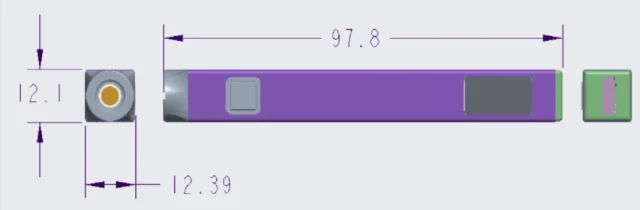
The coil is where liquid becomes vapor, making it the most critical component for flavor and vapor quality. Coil materials, resistance levels, and wicking design all influence how a device performs.
A short factual note helps clarify why coils differ across devices.
Coil resistance affects heat generation. Lower resistance produces warmer vapor and higher output, while higher resistance delivers cooler, smoother draws at lower power.
Modern coils often use mesh designs for even heating. Pods favor integrated coils for simplicity, while mods support replaceable options. Matching coil type to liquid formulation prevents dry hits and extends coil life. Flavor quality depends on compatibility, not price.
Conclusion
Selecting the right vaping device depends on understanding how hardware design aligns with personal habits. Mods offer customization, pods balance simplicity and performance, and disposables prioritize ease of use.
Each format has strengths and limitations that become clear once hardware fundamentals are understood. Focusing on daily use patterns, maintenance tolerance, and desired control leads to better long-term satisfaction.
A well-matched device supports consistency, comfort, and reliability rather than constant replacement or frustration.