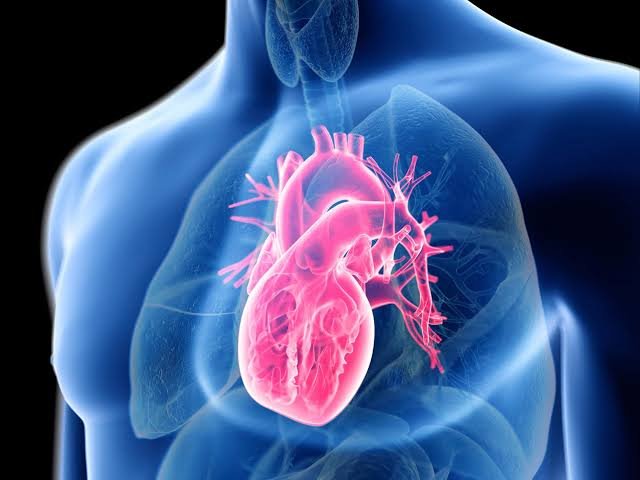
The human heart works every minute of every day, yet most people rarely think about what it is doing until something feels unusual. Behind every heartbeat is a carefully coordinated system of muscles, electrical signals, valves, and blood vessels working together to keep oxygen moving throughout the body.
What makes the heart particularly fascinating is that small changes in this system can have very different effects. Some problems develop quietly over years, while others can become emergencies within minutes.
Here are 9 interesting facts that explain how the heart works and what can happen when something disrupts the system.
1. Your Heart Is Only About the Size of Your Fist
Considering how important it is, the heart is surprisingly compact.
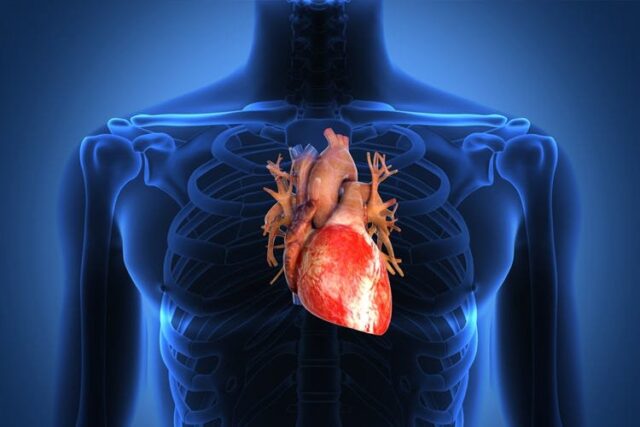
The National Heart, Lung, and Blood Institute (NHLBI) explains that the heart is an organ roughly the size of a fist and sits at the center of the circulatory system. Its job is to pump blood through a network of arteries, veins, and capillaries so organs receive the oxygen and nutrients they need.
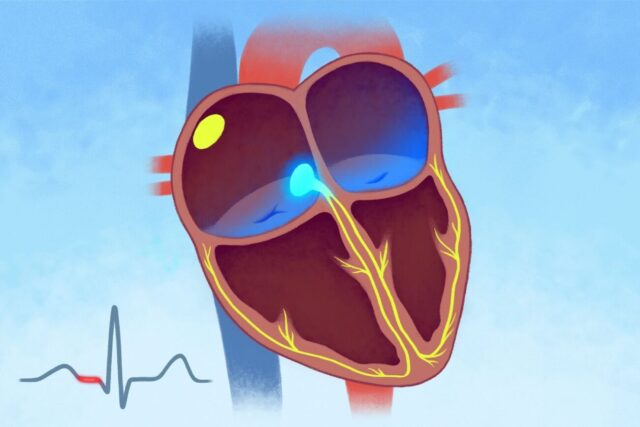
The heart contains four chambers. The upper chambers are called the atria, while the lower chambers are the ventricles. Together, they receive blood and send it either toward the lungs or out to the rest of the body.
Despite its relatively small size, the heart supports virtually every organ system.
2. Every Heartbeat Begins With an Electrical Signal
The heart does not simply squeeze randomly.
According to the NHLBI, the heart has its own electrical system called the cardiac conduction system.
Electrical signals normally begin in specialized cells within the sinoatrial, or SA, node. The signal then travels through the heart in a coordinated sequence, causing different chambers to contract at the appropriate time.
This electrical activity determines both the rate and rhythm of the heartbeat.
If the electrical system stops working properly, the heart may beat too quickly, too slowly, or irregularly. These abnormal rhythms are known as arrhythmias.
Some arrhythmias cause few problems, while others can seriously interfere with the heart’s ability to pump blood.
3. The Familiar “Lub-Dub” Sound Comes From Valves Closing
A heartbeat may sound simple through a stethoscope, but the familiar “lub-dub” has a mechanical explanation.
The heart contains four valves that help keep blood moving in the correct direction. The NHLBI explains that the first major heart sound occurs when valves between the upper and lower chambers close. The second comes when the valves leading out of the ventricles close.
Healthy valves open enough to let blood pass and close securely enough to prevent significant backward flow.
If a valve becomes unusually narrow or cannot close properly, the heart may need to work harder. Severe valve disease can eventually affect circulation and heart function.
4. Your Heart Rate Is Supposed to Change

A heart that changes speed is not necessarily behaving abnormally.
Heart rate rises during exercise because the muscles need more oxygen-rich blood. It can also change in response to emotions, temperature, medications, hormones, sleep, and physical fitness.
A slower resting heart rate can be normal in well-trained athletes because their hearts may pump efficiently with fewer beats.
What matters is context. A sudden or persistent rhythm change accompanied by symptoms such as dizziness, fainting, chest discomfort, or shortness of breath may require medical assessment.
5. Cardiac Arrest Is Not the Same as a Heart Attack
These two terms are often used interchangeably, but they describe different medical emergencies.
A heart attack is primarily a circulation problem. It usually happens when the blood flow supplying part of the heart muscle becomes blocked.
Cardiac arrest is mainly an electrical problem. The American Heart Association explains that it occurs when the heart suddenly stops pumping effectively, often because its electrical system develops a dangerous abnormal rhythm.
Cardiac arrest is especially important because a person may suddenly collapse, become unresponsive, and stop breathing normally or only gasp.
A heart attack can sometimes trigger cardiac arrest, but they are not the same condition.
6. CPR Does Not Necessarily “Restart” the Heart
Television has created some strange ideas about cardiopulmonary resuscitation.
The immediate purpose of CPR during cardiac arrest is to help maintain blood flow to important organs, particularly the brain, until more advanced treatment becomes available.
The American Heart Association states that cardiac arrest requires immediate action, including CPR and the use of an automated external defibrillator, or AED, when available.
An AED analyses the heart rhythm and, when appropriate, delivers a shock intended to help restore an effective rhythm.
7. High Blood Pressure May Cause No Obvious Warning
Not every cardiovascular problem arrives dramatically.
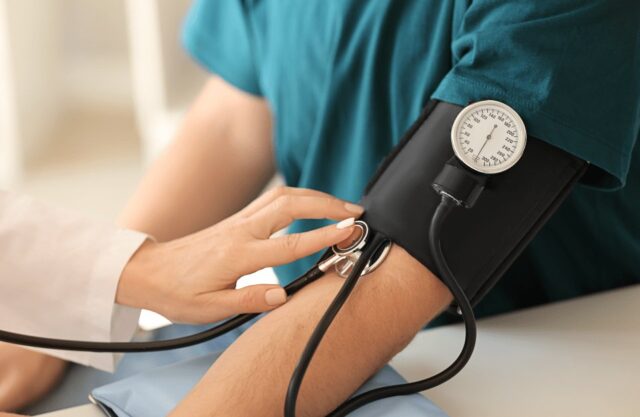
High blood pressure can develop without making someone feel noticeably different. Over time, however, consistently elevated pressure can place additional strain on blood vessels and the heart.
This makes blood pressure different from many conditions people associate with obvious discomfort. Someone can feel healthy while still having readings that deserve medical attention.
Regular measurements, therefore, provide information that symptoms alone cannot.
High blood pressure can often be managed through a combination of lifestyle changes and medication when medically appropriate, but first it has to be identified.
8. Heart Problems Do Not Always Begin With Chest Pain
Chest discomfort is an important symptom, particularly when a heart attack is suspected, but cardiovascular problems can present in other ways.
Depending on the condition, symptoms may include shortness of breath, unusual fatigue, dizziness, fainting, palpitations, swelling in the legs, or reduced ability to exercise.
Some cardiovascular risk factors may cause no noticeable symptoms at all.
This is one reason it can be risky to assume that a person with no chest pain automatically has no heart problem.
Symptoms also vary between individuals, so persistent or unexplained changes should be evaluated based on the full clinical picture rather than one expected warning sign.
9. The Heart Is Strong, but Everyday Habits Still Matter
The heart is remarkably durable, but long-term cardiovascular health is influenced by many everyday factors.
Physical activity, tobacco exposure, diet, sleep, body weight, blood pressure, cholesterol, blood sugar, and existing medical conditions can all contribute to a person’s cardiovascular risk.
Some factors, such as age and family history, cannot be changed. Others can often be addressed over time.
That does not mean everyone needs an extreme diet, intense exercise program, or constant health monitoring. Sustainable habits are usually more useful than short bursts of dramatic change.
Regular movement, balanced food choices, adequate sleep, avoiding tobacco, and keeping recommended health appointments can all form part of a practical long-term approach.
The Heart Is Remarkable, but It Still Needs Attention
Perhaps the strangest thing about the human heart is how much work it performs without demanding conscious attention. Electrical signals coordinate each beat, valves direct blood in the right direction, and the muscle continually adjusts to what the body needs.
Most of the time, the entire system operates unnoticed.
Understanding a few basic facts about how it works can also make it easier to recognize what happens when something goes wrong. From silent risk factors such as high blood pressure to emergencies such as cardiac arrest, heart problems do not all look or behave alike.
The heart may be one of the body’s most dependable organs, but knowing how to protect it, and when unusual symptoms deserve medical attention, remains just as important.