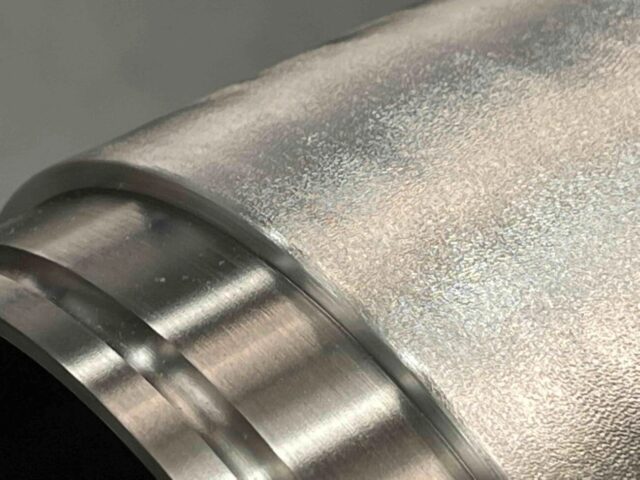
The material composition of rotary sputtering targets plays a significant role in their performance. Metallic, ceramic, and alloy targets each possess distinct characteristics that influence conductivity as well as thermal resistance.
Durability factors including hardness, oxidation resistance, and thermal stability are vital for rotary sputtering targets. These factors directly affect lifespan and overall performance efficiency.
Regular maintenance and cleaning of sputtering systems can enhance the operational lifespan of targets. This practice helps in preventing contamination and improving the quality of deposition.
Visual inspections for signs of wear or declining coating quality are essential. They help in diagnosing when rotary sputtering targets require replacement to avoid any production interruptions.
Recent advancements in both materials and techniques—such as nanostructured coatings and innovative magnetron designs—greatly improve the efficiency and durability of cylindrical targets.
Effective sales strategies in the rotary sputtering sector revolve around presenting high-performance materials that meet client demands for durability and consistency, all supported by thorough market research.
Quality assurance is critical in establishing client trust. Consistent performance coupled with reliable certifications can foster partnerships and bolster loyalty in the competitive realm of welding materials.
Choosing the Right Rotary Sputtering Targets for Optimal Performance
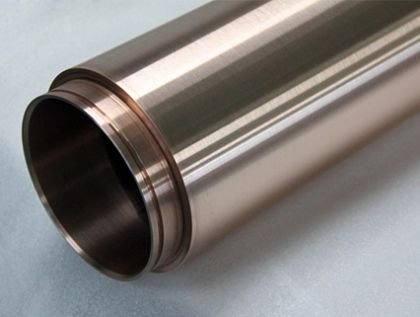
Understanding Material Composition and its Impact
In the realm of rotary sputtering targets, pondering the material composition is essential. Options typically encompass metallic, ceramic, and alloy targets, each coming with unique performance traits.
Metallic targets, for instance, often made from materials like silver or titanium, generally offer superior conductivity. On the flip side, ceramic targets, while usually less conductive, frequently exhibit greater resistance to thermal shock.
Not every material ranks the same; their appropriateness significantly impacts film properties and deposition rates.
Yet, there’s a twist. Selecting the right material is not solely about its function; compatibility with the substrate and the desired end product also matters greatly.
A shift in composition can cause notable performance discrepancies. Clients have frequently discovered that choosing the wrong target may lead to unsatisfactory outcomes, wasting both time and resources.
Evaluating Durability: What to Look For in Targets
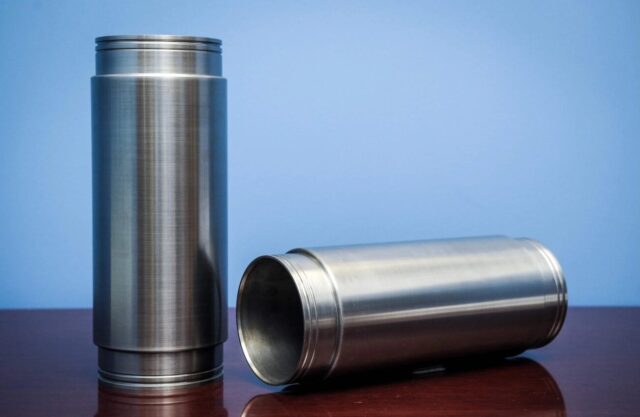
Durability in rotary sputtering targets can strongly influence not just their performance but also maintenance schedules.
Experts recommend evaluating aspects like hardness, oxidation resistance, and thermal stability. These attributes extend a target’s lifespan and ensure fewer production interruptions.
For example, targets that boast higher hardness ratings typically resist wear and tear more effectively compared to softer options.
As for oxidation resistance, an oxidized target diminishes the quality of the sputtered films, potentially introducing impurities that impair overall performance.
Professionals often urge clients to factor in the operating conditions too. Extreme temperatures, the ambient atmosphere, and the deposition materials can all impose stress on the target.
Therefore, it’s about more than just choosing the strongest material; finding a balance between performance needs and operational environments is crucial.
Essential Aftercare Services for Prolonging Target Life
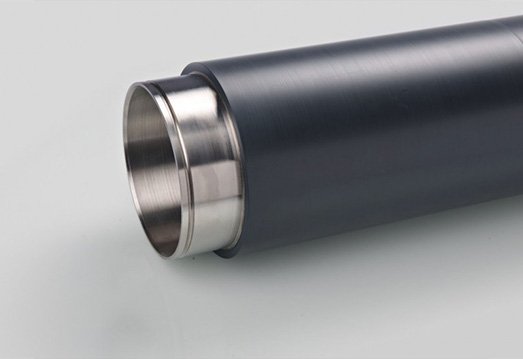
Best Practices for Maintenance and Upkeep
Aftercare services are vital for extending the lifespan of rotary sputtering targets. Regularly implemented maintenance routines can significantly bolster performance and longevity.
Simple yet impactful actions, like cleaning the sputtering system to remove debris and residues, can mitigate the risk of target contamination. It seems trivial, but it’s absolutely essential.
- Inspect regularly: Look for signs of wear, pitting, or sulfur deposits.
- Clean the chamber: Maintaining a clean sputtering chamber boosts target efficiency and improves deposition quality.
- Control the process parameters: Keeping temperature and pressure stable helps reduce unnecessary strain on the targets.
Consistent upkeep not only optimizes performance but also minimizes costly downtimes.
Moreover, clients who adopt preemptive maintenance strategies frequently report enhanced output consistency, elevating their productivity to new heights.
Diagnosing Wear: Signs Your Target Needs Replacement
Spotting wear on rotary sputtering targets is crucial; it can save time and resources. Engaging in visual inspections is key—any signs of erosion, chipping, or uneven surface texture may signal impending failure.
Regular checks should involve assessing discoloration or abnormal deposits, which might indicate chemical alterations due to sputtering processes.
However, these indicators don’t always shout at you. A decline in coating quality might serve as an early warning sign.
If a target appears to be underperforming, businesses should seriously contemplate its replacement, especially if performance metrics are persistently lacking.
“Proactive diagnosis often saves clients from unnecessary production halts.”
Innovations in Cylindrical Targets: What’s New?
Latest Advancements in Sputtering Technology
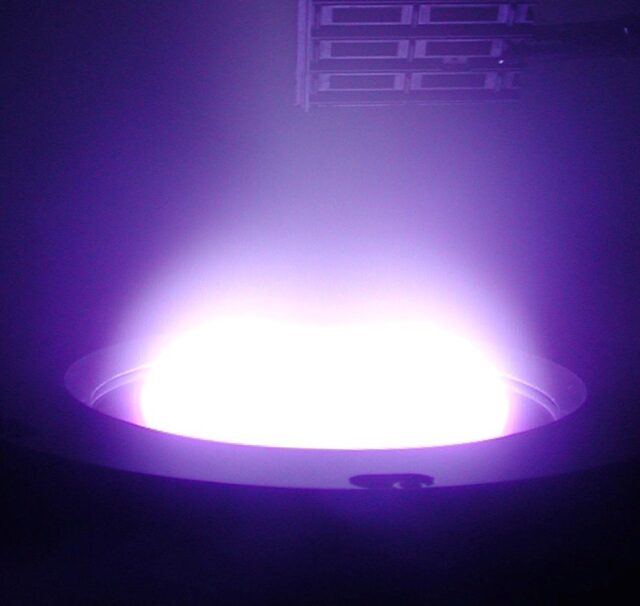
The landscape of cylindrical targets is in constant flux, driven by the quest for efficiency and precision.
Recent innovations have unveiled groundbreaking materials and techniques that challenge traditional notions of deposition.
For instance, the advent of nanostructured coatings has demonstrated immense potential in boosting sputtering effectiveness and target durability, even in harsh conditions.
Take a look at advanced magnetron designs. These utilize intricate magnetic fields to enhance target utilization rates, thereby reducing waste.
Businesses that have embraced these technologies often report remarkable advancements in their production processes.
Comparing Material Effectiveness: Traditional vs. Modern
Is it worth the change from traditional materials to newer solutions? For those targeting high performance, it certainly appears to be the case.
Comparing conventional targets with modern alternatives illustrates significant benefits for the latter.
Modern materials frequently demonstrate greater thermal stability, resulting in more uniform deposition and improved adhesion qualities.
Bridging this divide between traditional and contemporary might just offer the competitive edge many seek.
- Traditional materials: Suitable for general applications, yet often limited in performance.
- Modern innovations: Provide consistency and enhanced characteristics, leading to superior quality output.
- Hybrid targets: Combine strengths from both worlds, focusing on low-cost performance advantages.
Ongoing evaluations of emerging technologies can aid businesses in securing future benefits. Staying aware of innovations is essential for any manufacturer looking to maintain an edge.
Maximizing Sales with High-Performance Materials

Strategies for Selecting Competitive Products
Sales strategies within the rotary sputtering market hinge on the careful selection of high-performance materials. Many businesses overlook the necessity of distinguishing their offerings based on quality.
Clients are often willing to pay a premium for materials they believe will perform reliably. Therefore, thorough market research can yield actionable insights.
It’s important to consider what clients value most: durability, consistency, or cost. Tailoring product offerings to these priorities is fundamental.
- Understand client needs: Delve into the specific demands across various industries.
- Showcase performance data: Provide case studies that illustrate successful results.
- Be transparent: Quality assurance helps build trust, making clients more inclined to establish partnerships.
In a marketplace overflowing with options, distinguishing products often depends on demonstrating real value. A focus on high-performance attributes is likely to directly enhance sales figures.
Building Client Trust: The Importance of Quality Assurance

In an industry where precision and performance are paramount, quality assurance stands as pivotal. Clients not only search for top-tier products; they crave assurance.
Establishing lasting partnerships is a function of trust—ensuring clients that welding materials and services consistently meet rigorous standards.
Routine testing and certification of materials form a bedrock of reliability.
“Quality assurance isn’t merely a checkbox; it’s a partnership-building tool.”
It’s fundamentally about reputation. Striving for excellence in every production phase can reinforce client loyalty.
Those who prioritize quality often discover that their profits mirror that dedication. An unwavering com
mitment to quality, alongside robust aftercare services, can cultivate a successful cycle benefiting both suppliers and clients alike.
Grasping the intricacies of high-performance rotary sputtering targets is not just beneficial; it’s critical.
Making informed choices about materials, ensuring proper aftercare, embracing innovation, refining sales tactics, and consistently promoting quality assurance solidifies a company’s position as a market leader.
While it can be a complex landscape to navigate, the rewards are undoubtedly worth the effort.