Understanding Implant Supported Bridges: The Science Behind the Smile
What Are Implant Supported Bridges?
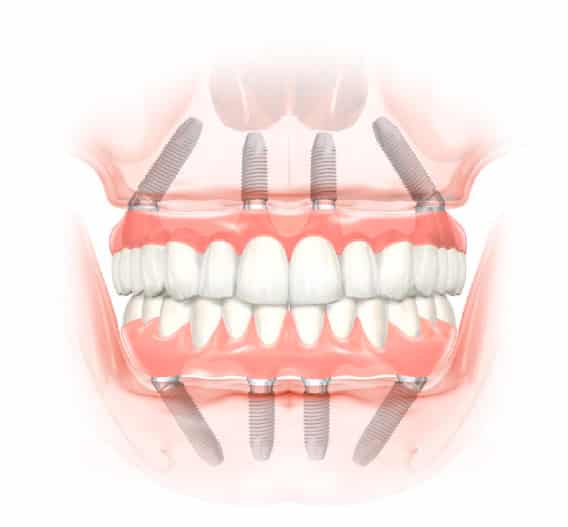
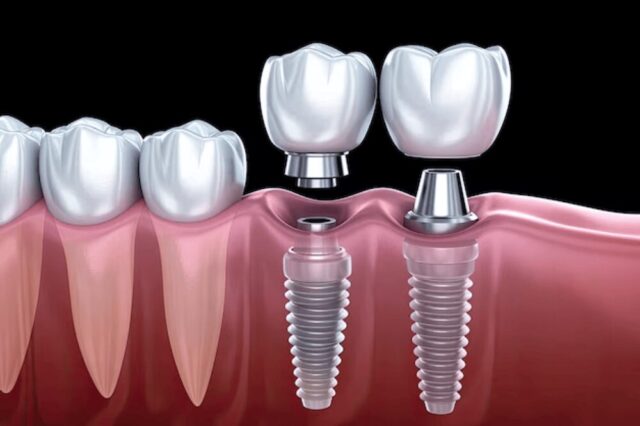
Unlike traditional bridges that rely on adjacent teeth for support, implant supported bridges are anchored directly into the jawbone through titanium dental implants. These implants mimic the natural root of a tooth, providing a stable foundation for the bridge.
This stability is essential for optimal dental function, allowing for efficient chewing and clear speech without the worry of the bridge shifting or coming loose. Implant supported bridges represent a revolutionary advancement in implant supported bridges dentistry, offering patients a durable and effective solution for replacing multiple missing teeth.
Typically, an implant supported bridge can replace two or more missing teeth in a row, making it a versatile option for various cases of tooth loss. The design of these bridges can be customized to the patient’s unique dental structure and aesthetic preferences. This ensures that the final result not only restores functionality but also contributes to a natural-looking smile, enhancing the patient’s overall appearance.
The Innovative Technology That Powers Them
The emergence of dental implants has been possible due to significant advancements in materials, surgical techniques, and technology. Titanium has become the gold standard for implant materials due to its biocompatibility, strength, and ability to osseointegrate—essentially fusing with the jawbone tissue. This commitment to utilizing advanced materials is further enhanced by the use of 3D imaging and computer-aided design (CAD) to aid in the precise placement of implants. By obtaining detailed scans of the patient’s mouth, dentists can carefully plan the optimal placement of implants—considering factors like bone density and the patient’s bite.
In addition, some practices now incorporate guided surgical techniques that allow for minimal invasion and greater accuracy during the implantation process. This not only reduces recovery time but also bolsters the success rate of implant procedures, ensuring that patients can enjoy their new smiles with confidence. The ongoing research and innovation in implant dentistry highlight the dental community’s commitment to providing patients with top-of-the-line solutions that last and adapt to evolving dental practices.
How They Compare to Traditional Dental Bridges
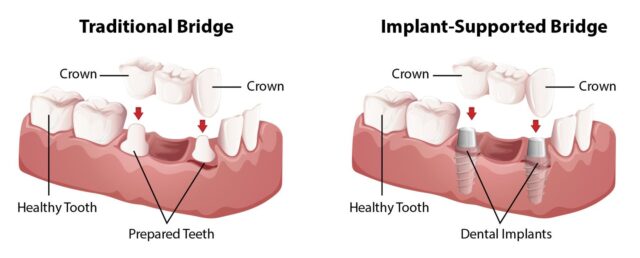
While traditional dental bridges have been a staple in restorative dentistry for decades, they come with notable drawbacks compared to implant supported bridges. Traditional bridges require reshaping adjacent healthy teeth to accommodate crowns that support the bridge, which can compromise their integrity over time. In contrast, implant supported bridges preserve the natural structure of nearby teeth, as they do not necessitate altering these teeth for support.
Furthermore, implant supported bridges address one of the most significant issues of tooth loss: bone resorption. When a tooth is lost, the jawbone in that area can begin to deteriorate because it no longer receives the stimulation it needs from tooth roots. This can lead to changes in facial structure, including sagging and a sunken appearance. Dental implants stimulate the jawbone, helping to preserve its density and shape. This fundamental benefit often makes implant supported bridges the superior choice for long-term oral health and aesthetics, setting a new standard in patient care.
The Benefits of Choosing Implant Supported Bridges: More Than Just Aesthetic Appeal
Enhanced Functionality: Eat What You Love Again
An undeniable advantage of implant supported bridges is their ability to restore functionality, allowing patients to eat their favorite foods without fear or discomfort. Unlike traditional dentures that may shift or rock during chewing, implant supported bridges are securely anchored to the jawbone, allowing individuals to exert the normal amount of pressure while eating. This contrasts starkly with the experience many face when using dentures, which can cause anxiety and frustration when consuming tougher foods.
The experience of enjoying a meal can truly enhance one’s quality of life. For many, the inability to chew properly can lead to dietary restrictions, loss of enjoyment in social dining, and even nutritional deficiencies. With implant supported bridges, patients can regain the confidence to explore various textures and types of food, seamlessly rediscovering the joy that often accompanies sharing meals with family and friends. These benefits extend far beyond mere convenience; they signify a profound improvement in the overall health and happiness of the individual.
Longevity and Durability: A Lifetime of Smiles
One of the compelling aspects of implant supported bridges is their impressive longevity. With proper care, such as regular dental check-ups, good oral hygiene practices, and avoiding harmful habits like smoking, implant supported bridges can last for decades—often 10 to 15 years or longer. This contrasts with traditional bridges, which typically require replacement every 5-10 years, leading to successive costs and ongoing dental procedures.
The durability of implant supported bridges stems from both the materials used and the very structure of the implant itself. Titanium implants do not decay like natural teeth, which means patients do not face issues such as cavities in the implant posts. Furthermore, the stability provided by osseointegration contributes substantially to the longevity of the bridge. As the jawbone firmly integrates around the implant, it creates a robust foundation that can withstand everyday wear and tear, providing assurance to patients that their investment in their dental health is safeguarded for the long haul.
The Confidence Factor: Transforming Your Self-Esteem
Beyond the functional advantages, the psychological and social benefits of restoring one’s smile with implant supported bridges cannot be overstated. Many individuals coping with tooth loss experience a decline in self-esteem due to embarrassment about their appearance or functional limitations when speaking or eating. By opting for implant supported bridges, patients can restore not only their smile but also their confidence and sense of self-worth.
The aesthetics of an implant supported bridge can closely mimic natural teeth, both in form and color. This means that patients can smile, speak, and interact socially without the anxiety of others noticing a dental prosthetic. Testimonials from patients often highlight the transformation through implant supported bridges—not only do they feel better about their appearance but they also engage more confidently in social situations, enhancing their interpersonal relationships and quality of life.
The Implantation Process: What to Expect on Your Journey
Your Initial Consultation: Mapping Out Your Smile’s Future
The journey to obtaining implant supported bridges begins with a comprehensive initial consultation. During this appointment, your dental professional will conduct a thorough examination of your oral health, reviewing your dental history and discussing your goals and expectations. Diagnostic imaging, such as X-rays or 3D scans, may be employed to assess bone density and determine the most suitable placement for the implants.
This initial consultation is not merely a procedural formality; it serves as a collaborative planning session where you can express any concerns or ask questions. Additionally, your dentist may discuss the financial aspect of your treatment, including payment options and potential insurance coverage. Setting clear expectations at this stage helps to alleviate anxiety and empowers patients to become active participants in their dental care journey.
The Surgical Procedure: What Really Happens
The next step involves the surgical placement of the dental implants. This procedure is performed under local anesthesia to minimize discomfort. The dentist or oral surgeon will make a small incision in the gum to expose the jawbone. Following this, a hole is drilled into the bone where the titanium implant will be inserted. This process is often considered a routine operation; however, patients should prepare for it as they would any surgical procedure, taking care to follow pre-operative instructions provided by their dental team.
After the implants have been placed, the gums are stitched closed, and a healing period follows—known as osseointegration—during which the implants fuse with the jawbone. This can take several months, depending on individual healing rates and bone quality. During this period, your dentist will provide guidelines on post-operative care to ensure optimal healing and success of the implant placement.
Recovery and Aftercare: Tips for a Smooth Transition
Post-surgery recovery varies between individuals but generally includes minor tenderness and swelling that can be managed with prescribed medications. Following the proper aftercare routine significantly impacts the success of the implants. Patients should implement oral hygiene practices that are gentle but thorough to aid the healing process. Soft foods are often recommended initially, as these can minimize discomfort while also ensuring that the surgical site heals properly.
Regular follow-up appointments are crucial in the post-operative period. These visits allow your dentist to monitor healing progress and address any concerns. Once osseointegration is confirmed, a custom-made bridge will be affixed to the implants, completing the restoration process. Patients should continue to maintain excellent dental habits long after the placement of the bridges, as this will contribute to their longevity and your overall oral health.
Success Stories: Real-Life Transformations with Implant Supported Bridges
Inspiring Case Studies: From Hesitation to Confidence
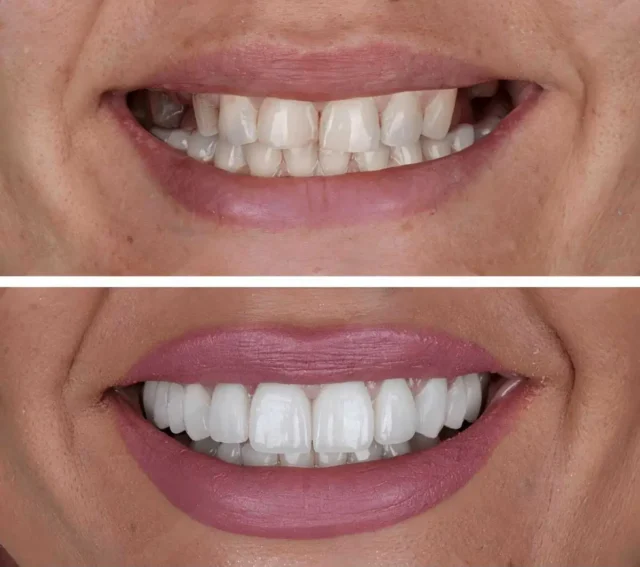
Real stories of patients who have transformed their smiles with implant supported bridges offer a powerful testament to their effectiveness and life-changing impacts. For instance, consider the journey of Sarah, a 45-year-old mother of two who struggled with self-consciousness due to multiple missing teeth after an accident. Initially hesitant about undergoing surgical procedures, Sarah’s consultation revealed the ease of the process and the incredible benefits it would provide. Now, armed with a beautiful new smile, she confidently attends social gatherings and photogenic family events, feeling like her true self once again.
Similarly, John, a 60-year-old retiree, discovered that his dietary limitations were significantly impacting his health and enjoyment of life. After opting for an implant supported bridge to replace deteriorating dentures, John found that his quality of life improved immensely. He is now able to enjoy eating a variety of foods and feels more engaged with his community. These inspiring narratives illustrate the profound effects implant supported bridges can have, ushering individuals from uncertainty into newfound confidence.
Testimonials: Hear from Those Who’ve Walked the Path
Testimonials from patients who have undergone treatment with implant supported bridges reinforce the importance of this procedure in dental care. Many express relief at having made the decision, often noting that they wish they had pursued the treatment sooner. Furthermore, patients frequently mention how their relationships with friends and family have flourished alongside their physical transformation, emphasizing the social benefits associated with a restored smile. These personal stories resonate deeply with prospective patients, providing relatable experiences that can help in making informed decisions about their dental health.
The Future of Your Smile: What to Look Forward To
Looking ahead, the future of dental health care shines brightly with the continuous evolution of implant supported bridges. With advances in technology, including regenerative materials and improved surgical techniques, the potential for faster healing and greater success rates is becoming a reality. Ongoing research is leading to even more innovative approaches, such as minimally invasive placement techniques and enhanced materials that offer greater longevity.
Ultimately, choosing implant supported bridges is not merely about addressing missing teeth; it’s about reclaiming quality of life, self-esteem, and the confidence to engage with others freely. As more individuals become aware of their options, the trend towards choosing implant supported bridges will likely increase, paving the way for happier smiles and healthier lives in the process. For those considering this transformative journey, it’s essential to consult with a qualified dental professional who can guide you through the process and address any questions you may have, so you can embark on the path to a renewed, vibrant smile.