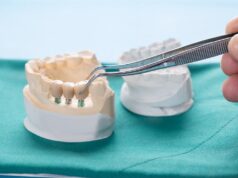
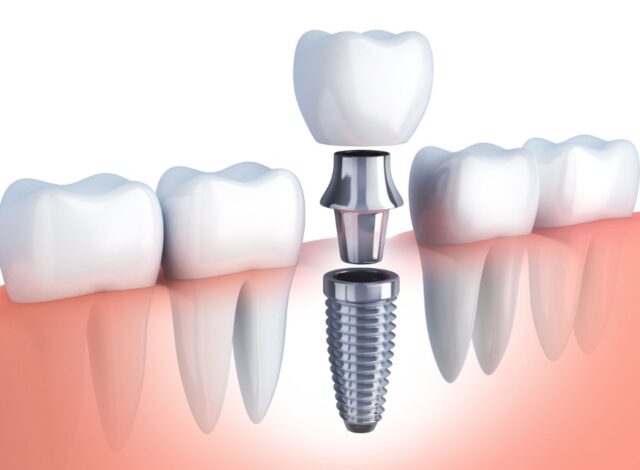
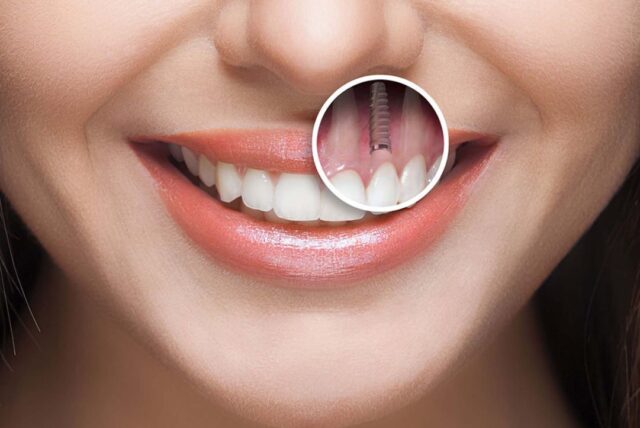
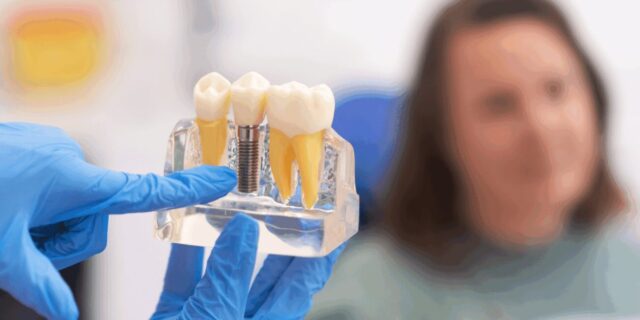
Dental implants represent one of the most significant advancements in contemporary dentistry, combining biocompatibility with cutting-edge technology to offer a solution for those who have lost teeth. Each dental implant consists of three primary components: the implant itself, which serves as a titanium root embedded into the jawbone; the abutment, which connects the implant to the replacement tooth; and the crown, the visible part of the tooth that restores function and aesthetics. This triad allows for a durable and effective restoration that mimics the function of a natural tooth.
The underlying science of dental implants includes principles of osseointegration, a process where the titanium root integrates with the jawbone, providing a strong foundation for the replacement tooth. Research has shown that titanium is remarkably biocompatible, which means it’s well-accepted by the body. This property minimizes the risk of rejection, allowing the implant to fuse with the bone effectively. In advanced cases, cone beam computed tomography (CBCT) scans are employed to evaluate bone density and structure, ensuring a tailored approach for each patient based on their unique anatomy.
How Dental Implants Work ─ A Step-by-Step Guide
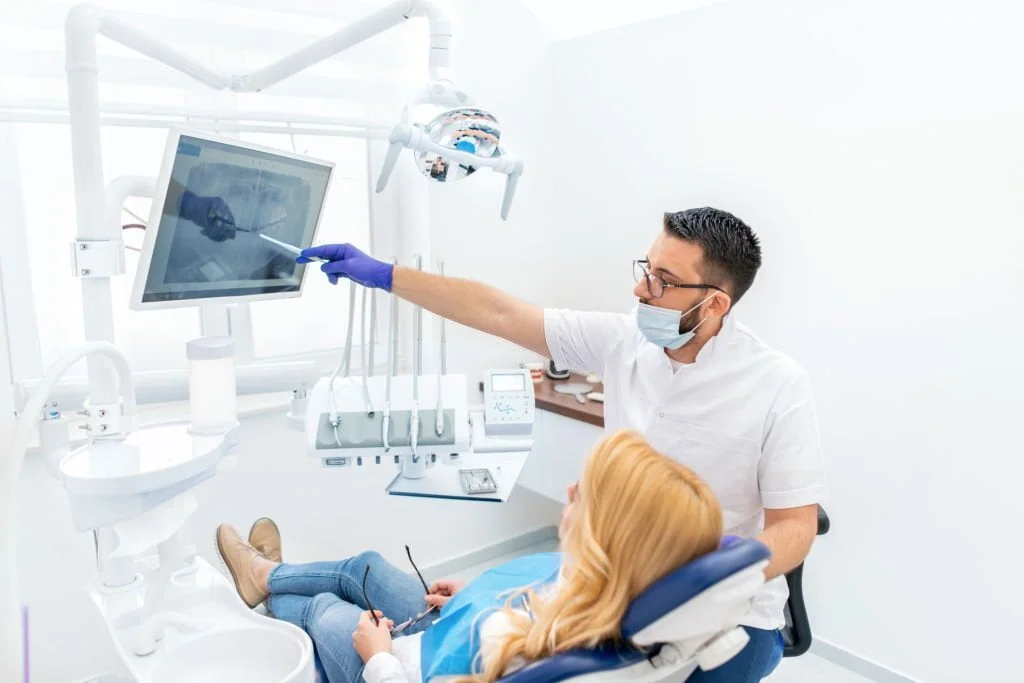
The journey toward obtaining dental implants typically involves several stages, beginning with a thorough consultation and diagnostic imaging. During this initial meeting, the dentist assesses the patient’s dental history, overall health, and suitability for implants. Once eligibility is confirmed, a treatment plan is crafted, which may include preliminary procedures such as bone grafting if the patient’s jawbone lacks sufficient density.
The next phase is the surgical placement of the implant, performed under local anesthesia or sedation for patient comfort. The dentist carefully drills into the jawbone to insert the titanium post, after which a healing period of several months ensues. This critical period allows for osseointegration to occur, during which the bone grows around the implant, securing it firmly in place. After successful integration, the abutment is attached to the implant, and once the gum tissue heals, an impression is taken to design a custom crown that matches the surrounding teeth.
Finally, the crown is affixed to the abutment, completing the restoration process. Follow-up visits ensure that the implant is healing correctly, and the patient can enjoy their new smile, complete with the functionality and aesthetics of natural teeth.
Advantages of Choosing Dental Implants Over Traditional Dentures
Dental implants offer numerous benefits compared to traditional dentures. For starters, they provide a permanent solution, eliminating the need for adhesives or periodic replacements required with dentures. Unlike removable dentures, implants are secure and are not prone to slipping, which enhances comfort and confidence while speaking and eating.
Moreover, dental implants preserve facial structure. When teeth are lost, the jawbone can deteriorate over time due to lack of stimulation. Implants stimulate the bone similarly to natural teeth, helping maintain its density and preventing the sunken appearance often associated with prolonged tooth loss. This not only contributes to a more youthful appearance but also supports dental health in the long term.
Finally, dental implants can improve oral hygiene. Unlike dentures, which require special cleaning solutions and care techniques, implants can be maintained with regular brushing and flossing, allowing for easier maintenance of oral health. This aspect, combined with their durability where they can last a lifetime with proper care makes them an attractive option for those considering tooth replacement.
Choosing the Right Dental Implant Specialist in Dallas
What to Look for When Selecting an Implantologist
Selecting the right dental implant specialist is crucial to the success of your treatment, especially if you are seeking the best dental implants in Dallas. Start by confirming the provider’s qualifications and experience in implant dentistry. Look for certifications from respected organizations such as the American Academy of Implant Dentistry (AAID) or the International Congress of Oral Implantologists (ICOI), as these credentials reflect advanced training and proven expertise.
Patient reviews and testimonials can offer valuable insight into the experiences of previous patients, highlighting the dentist’s technical skill, chairside manner, and overall satisfaction levels. It is also important to ask about the technology and techniques used during implant procedures. Clinics that utilize modern tools such as 3D imaging and guided implant surgery often achieve greater accuracy and more predictable outcomes.
Equally important is establishing a comfortable relationship with your specialist. A dentist who listens attentively, explains each step clearly, and addresses your concerns can greatly reduce treatment-related stress. Your periodontal health should also be carefully evaluated, as existing gum conditions may affect implant success. A thorough assessment ensures you receive personalized care designed to support long-lasting and reliable results.
Top-Rated Dental Implant Clinics in Dallas ─ A Comparative Analysis
Dallas boasts several highly regarded dental clinics specializing in dental implants. Noteworthy among them is the Dallas Oral Surgery and Dental Implant Center, known for its state-of-the-art facility and experienced team. They use the latest in implant technology and provide comprehensive consultations tailored to each patient.
Another top-rated option is the Texas Dental Center, which emphasizes holistic approaches and patient-centered care. Their commitment to ongoing education and utilizing advanced techniques has earned them a loyal patient base. Reviews highlight the welcoming atmosphere and the satisfaction of patients who appreciate the thorough communication regarding treatment options and costs.
The Dallas Implant and Cosmetic Dentistry clinic also rates highly, particularly for its aesthetic focus on implants. Patients appreciate the emphasis on not just functionality but also the artistry involved in restoring their smiles. Comparing these clinics based on these criteria, technological advancement, patient satisfaction, transparency in communication, and the comprehensive nature of care can assist you in making an informed decision.
Client Testimonials ─ Real Stories from Satisfied Smiles
Client testimonials can transform the dental implant landscape from abstract to personal. Many patients express gratitude for the transformations they’ve undergone through dental implants. For example, a 45-year-old woman shared how her confidence surged after receiving implants. No longer self-conscious about speaking or smiling, she noted her ability to enjoy social gatherings again. Such stories depict the emotional and psychological impact that dental implants can have on individuals’ lives.
Furthermore, a retired gentleman recounted his experience of eating his favorite foods after years of restrictions due to his dentures. He emphasized that the sensation of biting into an apple without fear of a denture slipping was liberating and reinstated a sense of normalcy in his life. Testimonials like these, found online or through word-of-mouth, illuminate not just the clinical efficiency of dental implants but also the tangible differences they make in the quality of life for countless individuals.
Financial Considerations ─ Navigating the Costs of Dental Implants
Understanding the Breakdown of Dental Implant Costs
When considering dental implants, understanding the associated costs is crucial. The price of dental implants can vary widely depending on several factors, including geographic location, the complexity of the case, and the materials used. Typically, the total cost includes several components: the surgical placement of the implant, the abutment and crown, preliminary treatments such as bone grafting, and any necessary follow-up visits.
In Dallas, the average cost of a single dental implant can range from $3,000 to $5,000, a figure influenced by factors such as the expertise of the implantologist and the technology employed during surgery. Insurance coverage often plays a role, with some plans covering a portion of the procedure. Thus, reviewing your policy to understand what is included is essential, as some patients may find that their insurance can alleviate significant portions of the expense.
Insurance and Financing Options for Dental Procedures
While dental implants represent an investment, various financing options can mitigate upfront costs. Many dental practices offer in-house financing or payment plans, enabling patients to spread the cost over several months. These arrangements can make dental implants more accessible to those who may otherwise feel deterred by the initial financial burden.
Additionally, third-party financing companies often provide loans specifically for dental procedures. These plans typically offer low-interest rates and flexible repayment terms, allowing patients to manage expenses more conveniently. Patients should also explore health savings accounts (HSAs) or flexible spending accounts (FSAs) that offer tax advantages, which can stretch their dental budgets further.
Are Dental Implants Worth the Investment? A Cost-Benefit Analysis
Determining whether dental implants are worth the investment requires a thoughtful cost-benefit analysis. While the upfront costs may be higher than traditional dentures, the long-term advantages often justify the expense. Dental implants offer durability many patients enjoy them for decades, significantly reducing the need for replacements or additional procedures. This longevity results in savings over time, particularly when factoring in the costs of maintaining traditional dentures or experiencing further dental complications from tooth loss.
Moreover, the improvement in quality of life can be invaluable. Dental implants restore functionality, allowing for unrestricted eating and speaking, ultimately enhancing personal and social interactions. For many patients, the emotional and psychological benefits of having a restored smile such as increased self-esteem and confidence are worth more than mere monetary calculations.
Caring for Your Dental Implants ─ Ensuring Longevity and Health
Post-Procedure Care ─ Do’s and Don’ts for New Implant Patients
After dental implant surgery, following specific post-procedure care instructions is essential for optimal healing and implant success. Patients should rest and avoid strenuous activities for at least 48 hours. Mild swelling and discomfort are normal; however, utilizing ice packs can help alleviate these symptoms. Pain medications prescribed by your dentist should be followed as directed to manage discomfort effectively.
During the initial healing phase, soft foods are recommended to minimize stress on the implant site. Gradually reintroducing regular foods can resume as comfort allows. Conversely, avoiding strenuous oral habits such as chewing hard foods and tobacco use is crucial to ensure proper osseointegration and prevent complications.
Maintaining Oral Hygiene with Dental Implants
Maintaining oral hygiene is pivotal in ensuring the longevity and health of dental implants. Unlike natural teeth, implants do not decay, but they can still be susceptible to gum disease if not cared for properly. Regular brushing and flossing should be incorporated into daily routines, as well as routine dental check-ups for professional cleanings and assessments.
Utilizing non-abrasive toothpaste and a soft-bristle toothbrush can prevent wear on crowns and abutments. Additionally, specialized floss or interdental brushes can help maintain cleanliness around the implant area and beneath the gum line where bacteria can thrive. Regular visits to the dentist ensure that any potential issues are identified and addressed early on, safeguarding the investment made in your dental health.
Signs of Trouble ─ When to Consult Your Dentist After Implant Surgery
Following dental implant surgery, it is crucial to be vigilant about any unusual signs or symptoms. Patients should seek immediate dental attention if they experience excessive bleeding that does not subside, prolonged swelling that intensifies after the first few days, or signs of infection, such as persistent warmth or discharge around the implant site.
Other warning signals include chronic pain that does not respond to prescribed medications or any unusual changes in the alignment of the dental implant. If the implant feels loose or unstable, this too warrants a prompt consultation with your dentist. By being proactive and attentive to these signs, patients can address potential complications early, ensuring the best possible outcomes for their dental health and investment in implants.