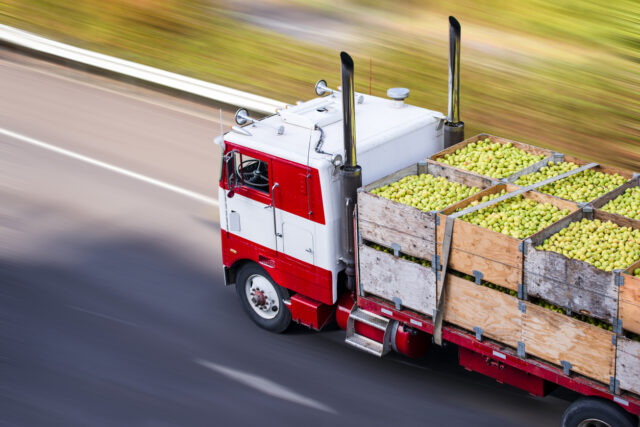
Food grade carriers play a vital role in ensuring the safety and quality of food during its transit, serving as a crucial safeguard throughout the supply chain.
It’s mandatory for food grade carriers to comply with safety standards from regulatory bodies like the FDA and USDA, as these standards are essential for protecting consumers.
The capability of food grade carriers in preserving food quality hinges on their management of temperature, humidity, and contamination risks during transport.
Selecting the right food grade carrier isn’t merely a routine task; it’s a strategic move that affects logistics efficiency. This decision demands a clear understanding of the relevant certifications pertaining to the specific products being transported.
Temperature control systems within food grade carriers are crucial for maintaining perishable goods. Features like real-time monitoring and backup systems boost reliability in these operations.
Innovative technologies, such as IoT devices and advanced transportation management software, are revolutionizing food logistics and enhancing operational efficiency in food grade transport.
Effective planning and ongoing monitoring are essential best practices that boost the efficient utilization of food grade carriers, reducing risks and elevating customer satisfaction during transit.
What Are Food Grade Carriers and Why Do They Matter?
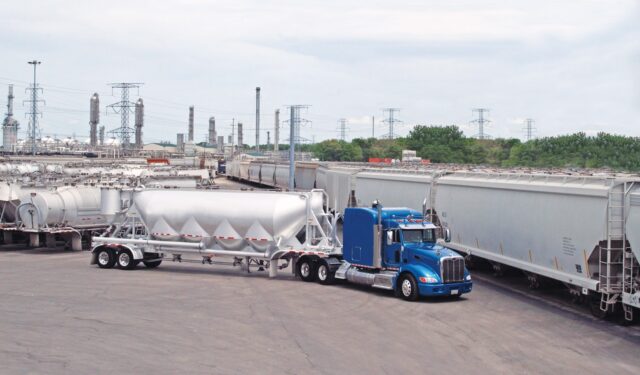
Food grade carriers form the backbone of the food transportation sector. These specialized transport vehicles or containers ensure compliance with specific safety and quality standards. They’re not just modes of transport; they’re indispensable for preserving the integrity of the food supply. Without them, the journey from farm to table could be perilous and full of risks.
The Critical Role of Safety Standards in Food Transport
Compliance with food safety standards is non-negotiable when it comes to food transport. Regulatory organizations such as the FDA and USDA enforce strict guidelines that food grade carriers must adhere to. However, merely holding a certification isn’t sufficient. Understanding the core essence of these standards—and their role in protecting consumers—is what truly matters. These standards cover everything from hygienic practices to the materials used in carrier construction. Just envision a scenario where food safety regulations are brushed off as mere suggestions. It would lead to chaos.
Food grade carriers are engineered not only to meet these regulations but to surpass them. Professionals often argue that compliance isn’t just about assuring clients; it’s also about building trust. Trust is invaluable in food distribution. Clients need to have confidence in the safety of their food. Investing in carriers that adhere to rigorous sanitary transportation requirements is essential for any logistics operation.
How Food Grade Carriers Protect Quality and Freshness
Several factors dictate food quality, including temperature, humidity, and exposure to contaminants. The right food grade carrier acts as a protective cocoon, much like a mobile fortress, ensuring that the inside remains pristine. Vehicles outfitted with temperature control systems are especially vital for perishable goods. Experts consistently recommend monitoring temperature variations during transit, as even slight fluctuations can spoil an entire load.
- Insulation materials found in food grade carriers are vital for sustaining desired temperatures.
- Often, they come equipped with air circulation systems to manage humidity levels.
- Sealed and sanitized environments effectively guard against food contamination from outside sources.
The stakes are indeed high. With rising incidents of foodborne illnesses, a drop in quality can have severe repercussions. That’s why professionals emphasize using food grade carriers integrated with the latest technology for maintaining optimal conditions. Implementing these strategies boosts the chances of successfully delivering high-quality food products.
Choosing the Right Food Grade Carrier: Key Factors to Consider
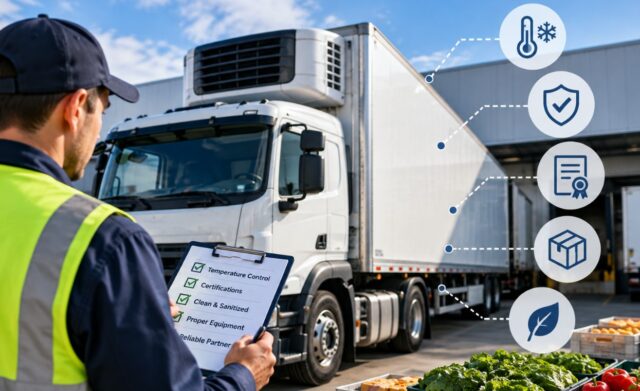
Choosing an appropriate food grade carrier isn’t just a formality. It is a strategic choice that can significantly affect a business’s operational efficiency. Various factors come into play when making this determination, and understanding them might lead to substantial improvements in logistics.
Certifications and Compliance: Why They Can’t Be Overlooked
Enterprises involved in food transportation must fully understand the significance of certifications. A carrier’s adherence to local and national regulations signifies more than mere compliance; it reflects a commitment to quality. There are numerous types of certifications available, but selecting those applicable to the specific products being transported is critical. Are refrigerated products the focus? Ensure that the carrier possesses the right certifications for those services.
- Seek out ISO 22000 and other relevant certifications that indicate adherence to recognized food safety standards.
- Confirm HACCP compliance for systematic risk management in food safety.
- Local regulations should always be considered alongside national standards.
Navigating the maze of certifications can feel daunting. However, asking the right questions can illuminate the path ahead. It’s advisable to inquire about a carrier’s certifications. Transparency often serves as a hallmark of reliability in food transportation.
Understanding Temperature Control: Essential for Perishable Goods
The importance of temperature control in food transport is paramount. Businesses take pride in delivering fresh produce and dairy. However, this pride is grounded in the effective refrigeration systems of food grade carriers. In logistics, timing and temperature are intrinsically linked.
- Real-time temperature monitoring offers reassurance during transit.
- Carrier systems should facilitate easy access to temperature settings, fostering adaptability.
- Backup systems act as essential safety nets, safeguarding against equipment failures.
Maintaining temperature consistency isn’t just beneficial; it’s crucial. Without effective temperature control, perishable goods may suffer irreversible damage. Logistics professionals increasingly favor carriers that integrate innovative cooling technologies, which enhance both safety and reliability.
Real-World Applications of Food Grade Carriers in the Industry
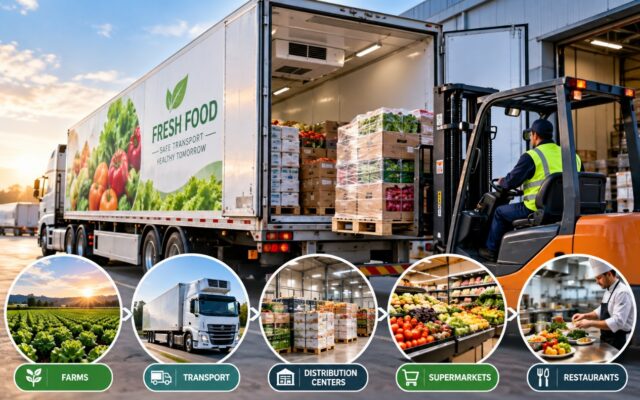
The practical applications of food grade carriers can be observed across various sectors. From farms and supermarkets to restaurants and wholesalers, these carriers serve indispensable roles within the supply chain. By examining success stories, one can see how companies have leveraged well-equipped food grade carriers to optimize their operations.
Success Stories: How Businesses Thrive with Food Grade Transport
A multitude of businesses have been able to transform their logistics by adhering to stringent food transportation standards. For example, one renowned dairy company transitioned to certified food grade carriers and saw a notable reduction in spoilage rates. Their profitability improved as they began receiving fewer complaints from retailers—truly a classic win-win scenario.
The impact of food grade carriers on operational efficiency is significant and measurable.
Another compelling case is the rise of organic produce delivery services. By utilizing food grade carriers specially designed for sensitive products, they managed not only to enhance their delivery times but also to broaden their customer base. Fresh products reaching the market more quickly led to amplified customer satisfaction. Professionals in the field are committed to devising strategies centered around food grade transport to maximize profitability.
Innovative Technologies Transforming Food Grade Logistics
Technology is playing an influential role in food transportation. From automated tracking systems to smarter temperature regulation, innovations are reshaping business operations. Smart devices provide constant oversight, ensuring that each shipment aligns with necessary guidelines.
- IoT devices enable real-time data sharing, enhancing transparency.
- Advanced transportation management software optimizes routing choices for greater efficiency.
- Predictive analytics help companies anticipate potential delays proactively.
The significance of these technological advancements is undeniable. Companies that invest in state-of-the-art food grade carriers enjoy notable benefits. When operations run smoothly, trust builds between distributors and consumers, fostering loyalty in a competitive landscape.
Tips for Ensuring Efficient Food Transportation with Food Grade Carriers
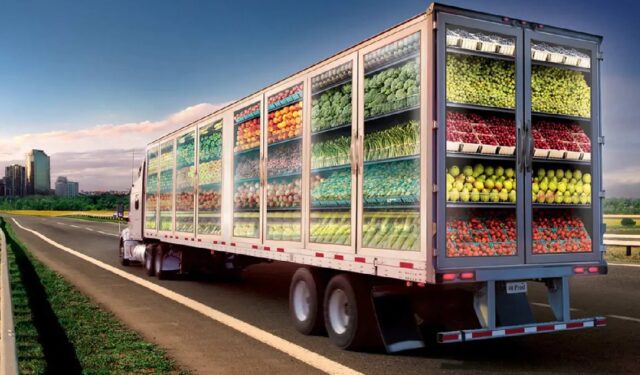
Successful food transportation relies on a blend of planning, monitoring, and strategic implementation. Professionals advocate for several best practices that refine the logistics process, ensuring food grade carriers fulfill their safety and quality promises.
Planning Your Shipment: Best Practices for Smooth Logistics
Effective planning can greatly alleviate logistical headaches. Professionals often suggest launching with a comprehensive checklist that delineates shipping requirements. Questions should cover everything from compliance necessities to the category of goods being transported. Proper planning results in fewer mistakes and smoother operations.
- Set specific delivery windows to enhance customer satisfaction.
- Take into account seasonal factors that might influence transit times.
- Coordinate with storage facilities to synchronize pick-up and drop-off times.
Paying attention to these particulars lowers the likelihood of complications that could derail a shipment. Maintaining open communication with all parties involved further adds reliability to the process. Transparency is appreciated universally, especially when food quality is at stake.
Monitoring and Tracking: The New Age of Food Grade Services
The evolution of monitoring and tracking within the food transportation sector has been remarkable. Clients now expect real-time updates about their shipment statuses, ensuring peace of mind throughout the journey. Adopting modern tracking systems is essential for keeping everyone informed.
- Apps and dashboards empower stakeholders to efficiently oversee shipments.
- Automated alerts signal when a temperature threshold gets exceeded.
- Historical data assists in refining future logistics strategies through valuable analytics.
Effective monitoring enables businesses to respond swiftly to emerging issues, thereby mitigating potential setbacks. Strong transport security and monitoring practices can further reduce risks throughout the distribution process.
In the end, food grade carriers might not always find themselves in the spotlight, but their contributions remain crucial. Consumers depend on these systems to deliver freshness, quality, and safety, while businesses rely on them to succeed in a competitive environment. By grasping the significance of food grade carriers, organizations can fine-tune their operations, ensuring every shipment meets standards—and exceeds expectations.
FAQ
What are food grade carriers?
Food grade carriers are vehicles, containers, or transport systems designed to move food while maintaining appropriate sanitary, temperature, and contamination-control conditions.
Why is temperature control important?
Temperature control helps prevent spoilage and reduces food safety risks, particularly when transporting perishable products such as dairy, meat, seafood, and fresh produce.
What certifications should food carriers have?
Requirements depend on the type of food and jurisdiction. Businesses may look for compliance with applicable FDA or USDA rules, food safety programs, HACCP principles, and standards such as ISO 22000 where relevant.
How can contamination be prevented during transport?
Carriers should use clean and suitable equipment, maintain sanitary loading and unloading practices, separate incompatible products, and follow appropriate cleaning and inspection procedures.
How is food temperature monitored in transit?
Temperature can be monitored with sensors, data loggers, connected devices, and real-time monitoring systems that allow operators to identify temperature deviations during transportation.
How do businesses choose a food grade carrier?
Businesses should consider regulatory compliance, sanitation procedures, temperature-control capabilities, monitoring systems, staff training, reliability, and experience with the specific type of food being transported.